November pain: Air quality severe in parts of Delhi
Air quality in parts of Delhi has deteriorated to severe levels in November, posing significant health risks to residents. The situation highlights the recurring seasonal challenge of pollution in the national capital.
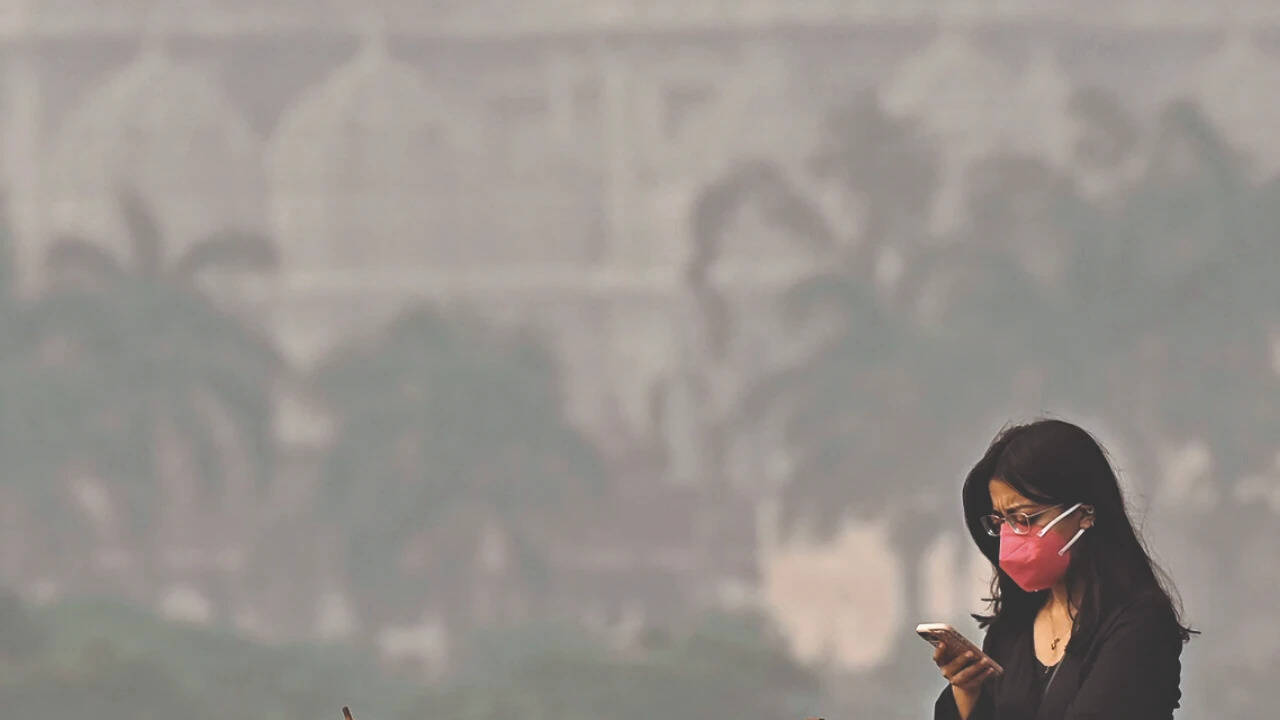
Residents of Delhi are facing severe air quality conditions as the month of November progresses, with pollution levels reaching hazardous thresholds in several parts of the city. At 4 pm on Tuesday, monitoring stations recorded high concentrations of particulate matter, leading to health advisories for sensitive groups. The smog has reduced visibility and caused respiratory discomfort for many, prompting calls for immediate action from local authorities. This deterioration is a familiar pattern for the capital, where winter weather conditions trap pollutants close to the ground.
The severe air quality is attributed to a combination of factors, including vehicular emissions, industrial activity, and the burning of crop residue in neighboring states. The lack of wind and low temperatures during this time of year exacerbate the problem, preventing the dispersion of pollutants. Health experts warn that prolonged exposure to such high levels of particulate matter can lead to serious respiratory and cardiovascular issues. Residents are advised to limit outdoor activities and use masks when venturing out, especially those with pre-existing health conditions.
For readers in India, the recurring air quality crisis in Delhi is a major public health concern that affects millions of people. The economic and social costs of pollution are significant, impacting productivity and quality of life. The situation calls for sustained efforts from both central and state governments to implement stricter emission controls and promote cleaner energy sources. As the winter season continues, the air quality situation is expected to remain a focal point for policy discussions and public health interventions.
Comments 0