Delhi's Air Crisis Deepens as GRAP-1 Imposes Severe Industrial and Transport Restrictions
The Delhi government has activated the first stage of the Graded Response Action Plan, mandating the shutdown of non-essential construction sites and restricting the movement of heavy diesel vehicles. This intervention signals a critical failure in air quality management, forcing a significant economic pause in the capital's infrastructure sector while citizens face worsening respiratory hazards.
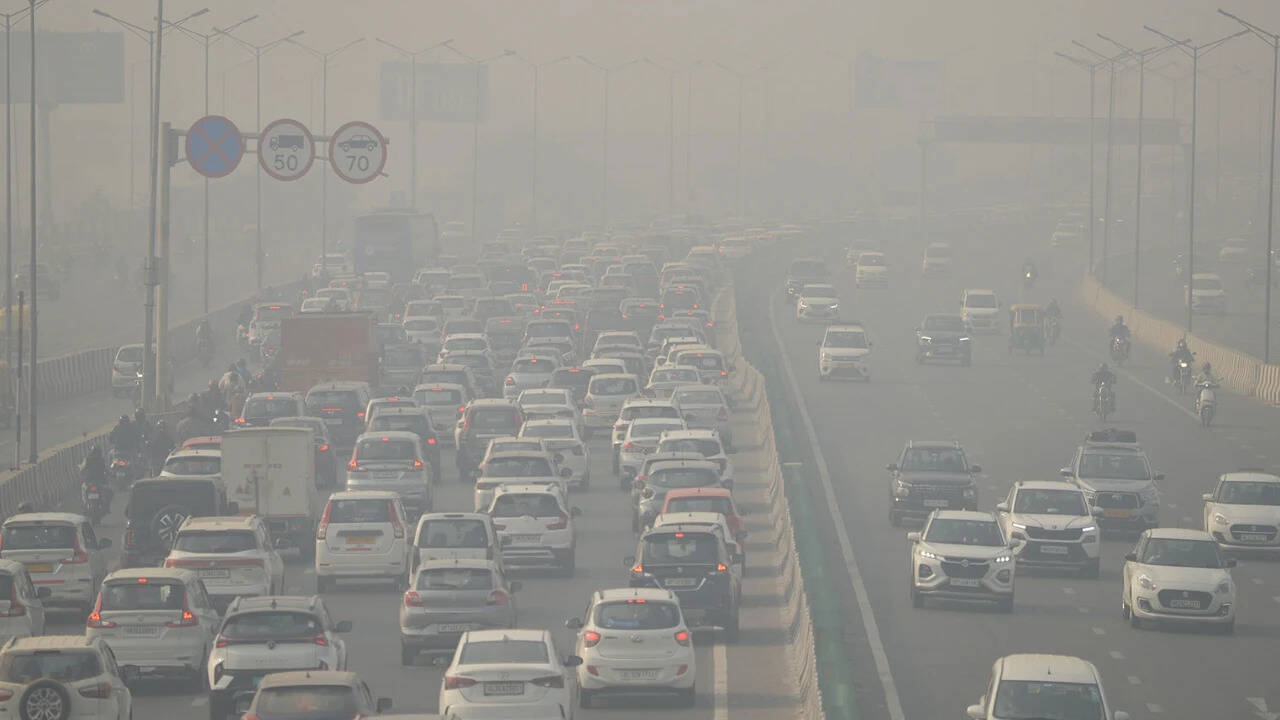
The activation of GRAP-1 in Delhi and the National Capital Region marks a tangible rupture in the daily rhythm of India's capital. As particulate matter levels surge past critical thresholds, the state administration has enforced a blanket ban on non-essential construction activities, effectively halting a vast portion of the region's building projects. Simultaneously, the entry of diesel vehicles, including trucks and industrial machinery, is curtailed, creating immediate logistical bottlenecks for supply chains that depend on the capital's dense network of industrial zones and logistics hubs. The air, already thick with smog, now carries the weight of regulatory paralysis, as businesses scramble to adapt to sudden operational constraints.
The underlying tension in this crisis is not merely environmental but institutional, reflecting the persistent inability of the central and state governments to coordinate a unified approach to pollution control. While the Graded Response Action Plan provides a framework for escalating penalties, its implementation often appears reactive rather than preventive, triggered only when health risks become undeniable. The friction between economic growth targets and environmental stewardship is palpable; the construction sector, a key driver of employment and GDP in the NCR, is now treated as a primary pollutant source rather than a partner in sustainable development. This regulatory whiplash undermines investor confidence and highlights the structural gap between policy design and on-ground enforcement.
The downstream casualties of this decision are immediate and . Workers in the construction industry face sudden income loss, while logistics companies incur higher costs due to rerouted shipments and delayed deliveries. For the general public, the health implications are severe, with hospitals reporting a spike in respiratory ailments among children and the elderly. The economic shockwave extends beyond the capital, affecting suppliers and manufacturers across the region who rely on Delhi's market access. This episode serves as a stark reminder that without a fundamental shift in urban planning and industrial regulation, the cost of inaction will continue to be paid in both human health and economic stability.
Comments 0