Delhi's Air Quality Crisis Sparks Protest Over Missing Data
As toxic air chokes the capital, student activists have staged a protest highlighting the absence of pollution data during peak hours, a gap that obscures the true severity of the health emergency. The demonstration has forced the central government to confront the systemic failures in environmental monitoring and public health protection.
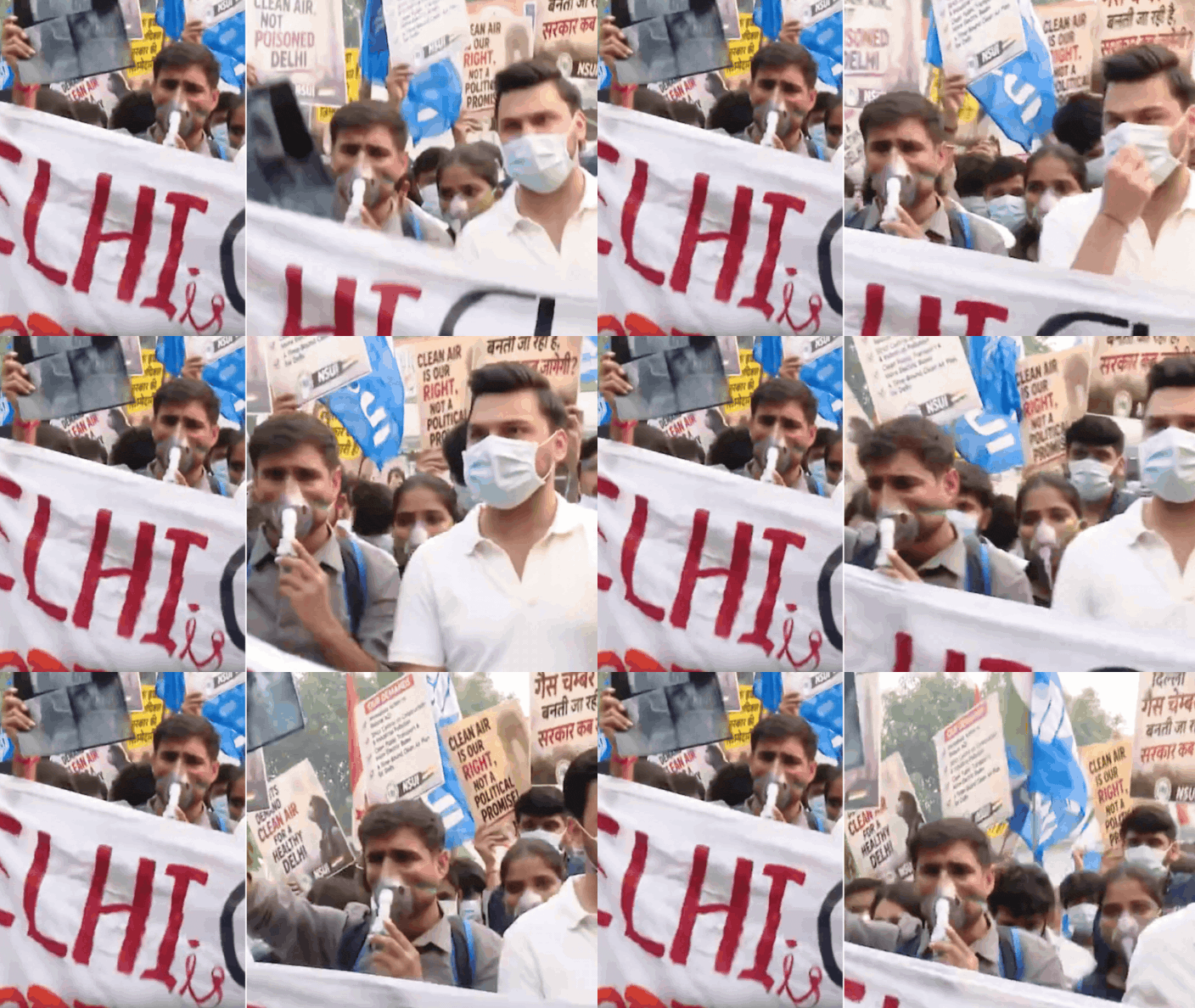
The concrete rupture in Delhi's environmental governance is the revelation that critical pollution data is missing during the hours when air quality is at its most dangerous. This data blackout has not only hindered public awareness but also impeded the government's ability to implement timely mitigation measures. The protest by the Students' Federation of India (SFI) has brought this institutional failure to the forefront, demanding transparency and accountability from the authorities.
The underlying tension stems from a long-standing conflict between the need for accurate environmental data and the political desire to downplay the severity of the crisis. The missing data suggests a systemic issue in the monitoring infrastructure, which may be due to technical failures or deliberate omission. This institutional friction has eroded public trust in the government's environmental policies and raised questions about the integrity of the data collection process.
The downstream casualties of this data gap are the residents of Delhi, who are forced to make health decisions without reliable information. The lack of accurate data also complicates the implementation of emergency measures, such as school closures and industrial shutdowns, which are essential for protecting public health. The protest has put pressure on the central government to address these systemic issues and ensure that future environmental crises are managed with greater transparency and effectiveness.
Comments 0