Delhi's Air Quality Crisis: The Data Gap and the Smoke
The Aam Aadmi Party has accused the Delhi government of concealing pollution metrics by shutting down monitoring stations as air quality index readings reportedly exceeded 3,000. This allegation strikes at the heart of environmental governance, suggesting a deliberate obfuscation of public health risks during the festival season.
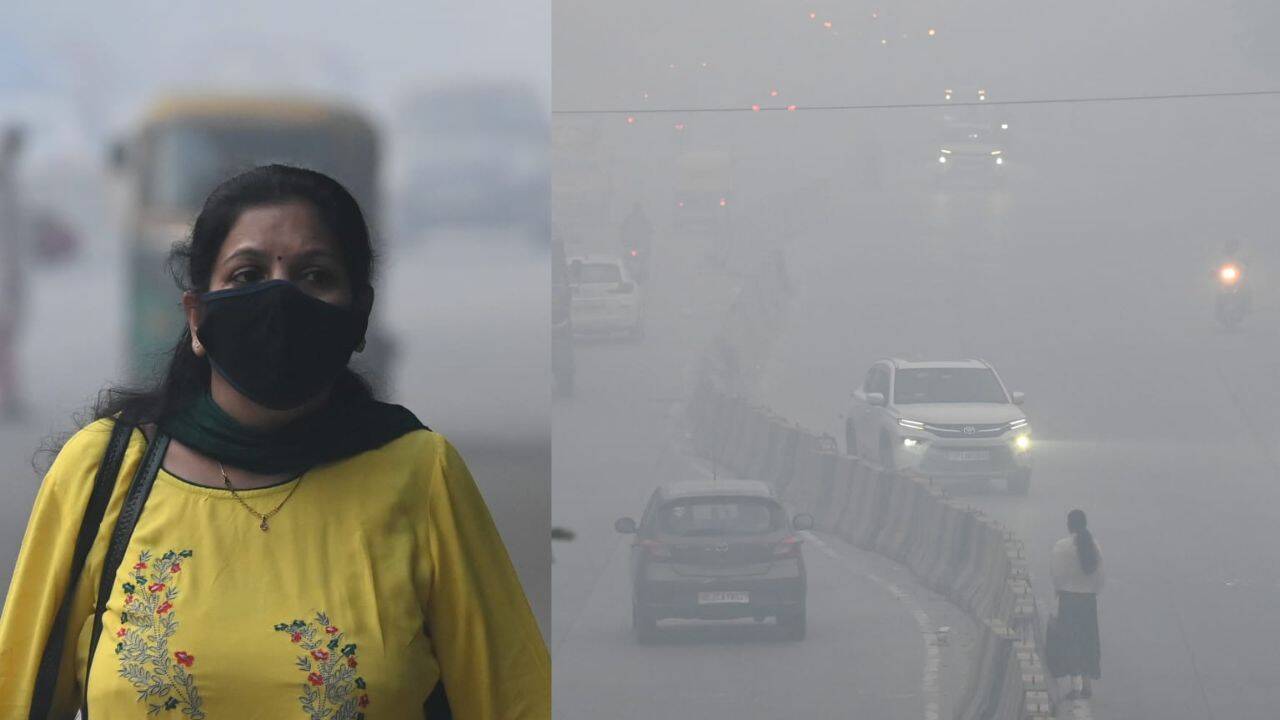
The concrete rupture in Delhi's environmental transparency emerged as the Aam Aadmi Party alleged that the ruling government had disabled air quality monitoring stations to suppress data indicating an Air Quality Index above 3,000. Such a figure, if verified, would place the capital in a category of atmospheric toxicity rarely seen in recent years, transforming the festive atmosphere into a public health emergency. The accusation implies that the state machinery prioritized political optics over the immediate physiological safety of its residents, creating a vacuum of credible information during a period of peak respiratory vulnerability.
The underlying tension reflects a broader institutional friction between the central government's regulatory mandates and the state's operational autonomy. Delhi's air quality management has long been a site of jurisdictional conflict, with the central government frequently intervening when state-level responses are deemed inadequate. The allegation of data suppression suggests a strategic retreat from accountability, where the absence of data becomes a tool for narrative control. This friction is exacerbated by the seasonal predictability of pollution spikes, which should have triggered preemptive, transparent communication rather than reactive silence.
The downstream casualties are the citizens of Delhi, who face heightened risks of respiratory illness without the guidance of accurate, real-time data. The tangible outcome is a erosion of public trust in official environmental reporting, forcing residents to rely on unverified sources or personal observation to gauge the safety of their air. This incident may set a precedent for data opacity in other environmental crises, complicating future regulatory enforcement and international cooperation on climate and health issues.
Comments 0