Delhi’s Diwali Night Smog Pushes AQI Toward 400, Triggering Emergency Measures
The capital recorded an Air Quality Index close to 400 as fireworks and stubble burning combined to choke the night sky. Authorities invoked Stage 3 of the Graded Response Action Plan, ordering a citywide halt on construction and restricting vehicular movement.
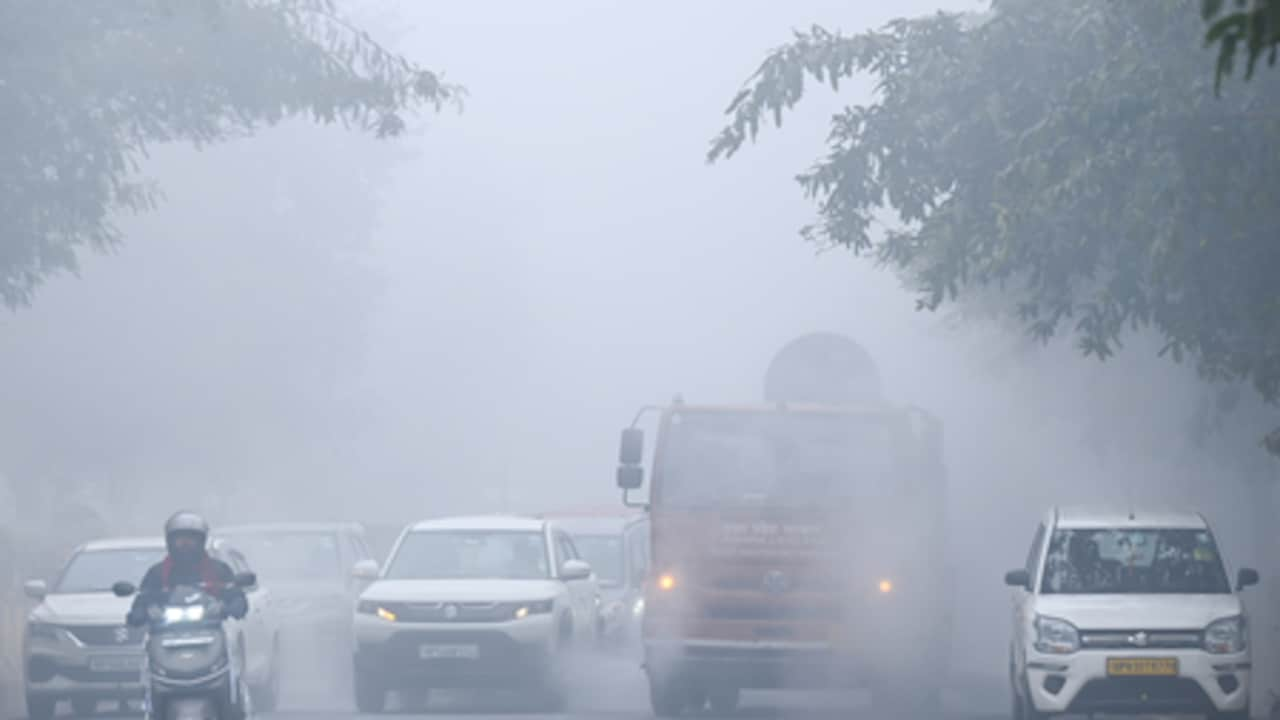
On the evening of Diwali, Delhi’s atmosphere turned a murky brown as firecracker emissions merged with lingering agricultural smoke from neighboring states. The Commission for Air Quality Management announced an AQI reading that hovered near the hazardous threshold of 400, prompting an immediate public health alert. Residents were urged to remain indoors, schools cancelled classes, and hospitals prepared for a surge in respiratory cases, underscoring the acute vulnerability of a megacity to seasonal pollutants.
The episode laid bare a long‑standing clash between festive traditions and environmental regulation. While the central government has repeatedly urged states to curb stubble burning, enforcement on the ground remains uneven, and local officials often face political pressure to allow celebrations to proceed. The Graded Response Action Plan, designed to scale interventions, was activated at its most severe level, revealing gaps in coordination between the Delhi administration, the Ministry of Environment, and neighboring agrarian jurisdictions.
In the days that followed, emergency rooms reported a sharp rise in asthma attacks and chronic bronchitis flare‑ups, straining already overstretched health services. Small businesses near polluted corridors suffered reduced footfall, and the city’s logistics sector faced delays due to traffic restrictions. Analysts predict that the episode will accelerate policy debates on stricter firecracker bans and more robust inter‑state mechanisms to control agricultural smoke, reshaping the regulatory for future festivals.
Comments 0