Delhi’s Air Quality Improves Slightly as Toxic Foam Reappears on Yamuna
The capital recorded an AQI of 164, marking a modest improvement, yet five monitoring stations remain in the poor category. Simultaneously, a resurgence of toxic foam on the Yamuna river has reignited public health concerns.
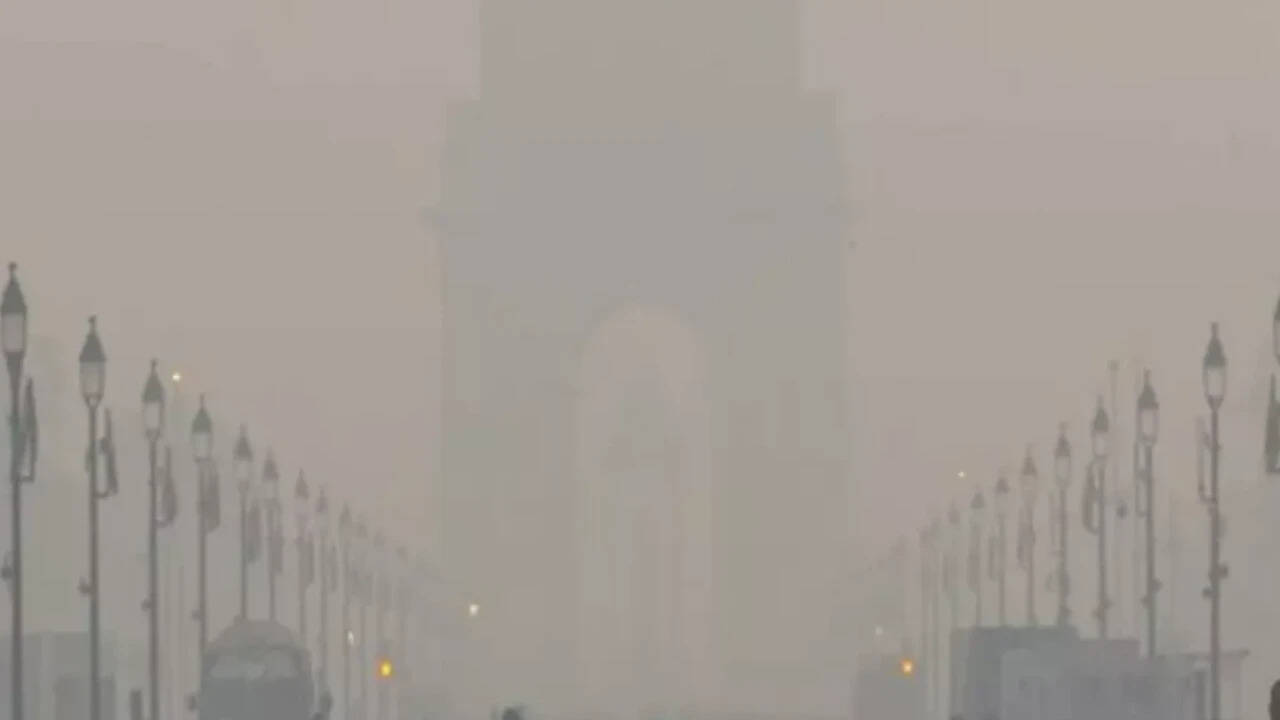
Air quality monitors across Delhi reported a marginal decline in particulate matter, bringing the city’s average AQI to 164, a figure that, while lower than previous weeks, still places the metropolis in an unhealthy bracket. The improvement is attributed to a temporary dip in vehicular emissions and a brief lull in industrial output, yet five of the city’s stations continue to register pollutant levels that exceed national safety thresholds. Health officials caution that vulnerable populations, particularly children and the elderly, remain at risk.
Compounding the atmospheric issue, residents along the Yamuna’s banks observed a fresh layer of foam, described as a milky, odorous substance that coats the water’s surface. Environmental agencies identified the foam as a by‑product of untreated industrial effluents mixing with riverine algae, a phenomenon that has recurred during periods of low river flow. The recurrence has prompted renewed calls for stricter enforcement of wastewater treatment regulations and accelerated the deployment of mobile testing units.
The twin challenges underscore the interconnected nature of Delhi’s environmental management. While short‑term air quality gains offer a glimpse of possible progress, the persistent river contamination threatens to undermine public confidence in municipal remediation efforts. Over the coming months, policymakers will need to balance traffic curbs, industrial compliance, and community outreach to achieve a sustainable improvement in the city’s overall health metrics.
Comments 0