Mumbai’s Air Quality Crisis: The Divergence Between Official Data and Lived Reality
Private sensors in Mumbai reveal an average US AQI of 172, significantly higher than the official figure of 124, exposing a critical gap in environmental monitoring. This discrepancy highlights the inadequacy of current regulatory frameworks in addressing the city’s severe air pollution.
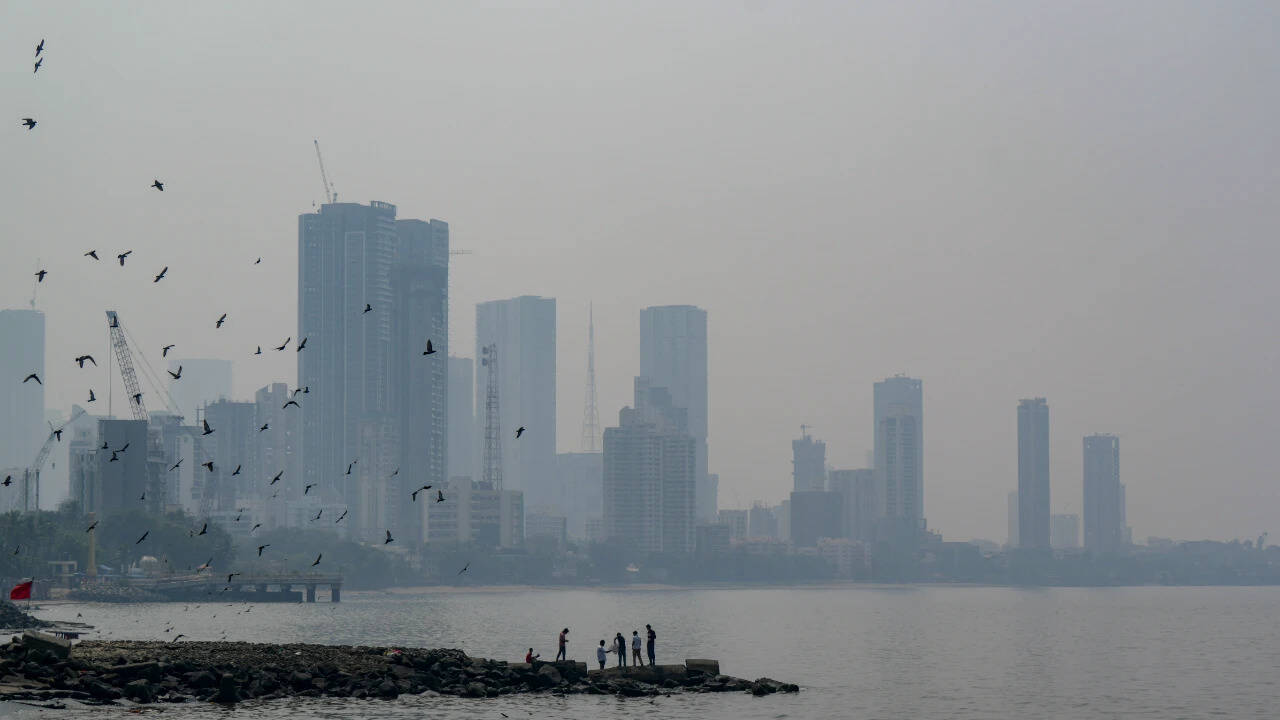
The revelation that private sensors in Mumbai record an average US AQI of 172, compared to the official figure of 124, has ignited a fierce debate about the reliability of environmental data in India’s financial capital. This divergence is not a minor statistical anomaly but a profound indictment of the current monitoring infrastructure. The data suggests that the true extent of air pollution in Mumbai is far worse than officially acknowledged, with areas like BKC recording the highest levels of pollution. This finding has immediate implications for public health and urban planning.
The underlying tension in this issue is the conflict between official narratives and grassroots data. The institutional friction arises from the reluctance of authorities to acknowledge the severity of the crisis, which could lead to political and economic repercussions. The reliance on a limited number of official monitoring stations, often located in less polluted areas, creates a skewed picture of the city’s air quality. This lack of transparency undermines public trust and hampers effective policy formulation.
The tangible outcome of this data discrepancy will be a push for more comprehensive and transparent air quality monitoring systems. Downstream casualties include the residents of Mumbai, who are exposed to higher levels of pollutants than previously thought, leading to increased health risks. The event also puts pressure on the state government to implement stricter emission controls and invest in cleaner technologies. This incident serves as a catalyst for a broader reevaluation of environmental governance in Indian cities.
Comments 0