Delhi’s Air Quality Monitors Fail Amid Record Pollution, Raising Public Health Alarm
Delhi’s 35 air‑quality stations went offline during a peak pollution episode, leaving residents without real‑time data. The outage exposed gaps in monitoring infrastructure and prompted calls for immediate upgrades to protect public health.
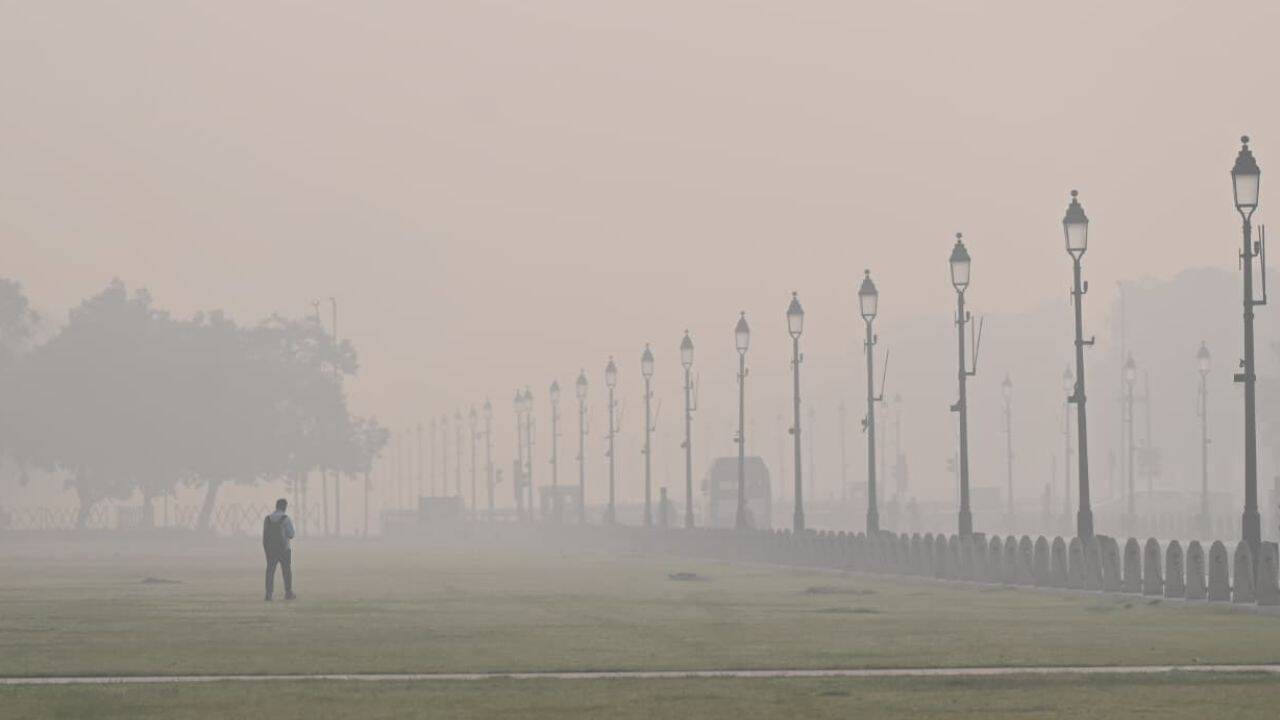
During a blistering heatwave, Delhi’s 35 air‑quality monitoring stations ceased transmitting data at the height of a record‑setting pollution episode. The blackout occurred as particulate‑matter concentrations spiked to levels that exceeded the World Health Organization’s safe thresholds by a factor of three. Residents, who rely on real‑time alerts to adjust outdoor activities, were left in the dark about the severity of the smog. The incident unfolded against a backdrop of escalating public concern over the city’s chronic air‑quality crisis.
The failure highlighted systemic weaknesses in the city’s environmental monitoring infrastructure, including outdated sensors and insufficient maintenance protocols. City officials admitted that budget constraints had delayed critical upgrades, while environmental watchdogs accused the municipal administration of neglecting regulatory obligations. The outage also exposed a broader governance gap, where data transparency and accountability mechanisms are underdeveloped. In the wake of the incident, citizen groups have demanded a comprehensive audit of the monitoring network and the immediate deployment of backup systems.
The health implications of the data blackout are tangible: hospitals reported a surge in asthma and respiratory admissions during the period of silence, and several vulnerable populations suffered from prolonged exposure to toxic air. The incident has prompted the state government to pledge a multimillion‑rupee investment in sensor replacement and real‑time data dissemination platforms. In the longer term, the event is likely to accelerate reforms in environmental governance, prompting stricter enforcement of pollution control standards and the integration of smart‑city technologies into public health monitoring.
Comments 0