Delhi's Pollution Crisis Becomes a Political Battleground as AAP and BJP Trade Blame
The ongoing confrontation between the Aam Aadmi Party and the Bharatiya Janata Party has intensified over the source of Delhi's severe air pollution, with both parties accusing each other of failing to address the crisis. This political skirmish highlights the growing difficulty of managing environmental challenges in a region where industrial and agricultural activities cross state boundaries.
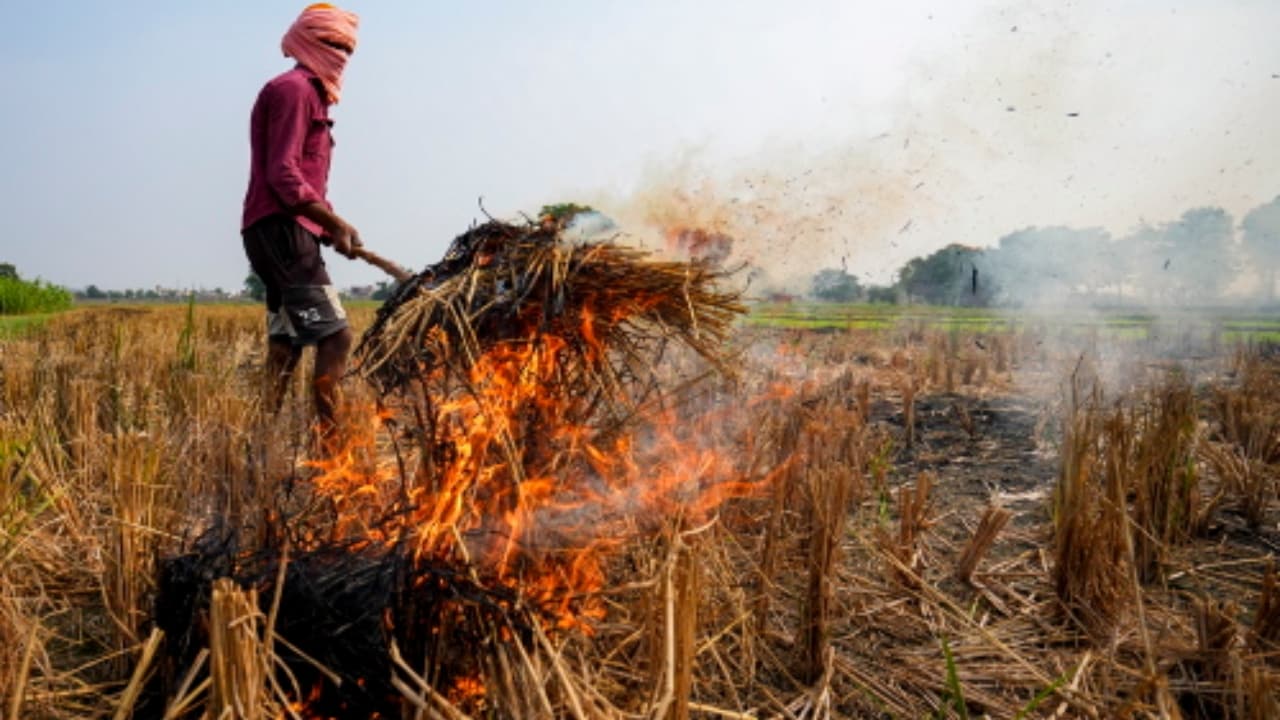
The core of the current dispute lies in the attribution of responsibility for the hazardous air quality levels that have gripped the National Capital Region. The AAP, which governs Delhi, has pointed to the agricultural burning practices in neighboring states, particularly Haryana and Punjab, as the primary drivers of the smog. In response, the BJP has countered that the state government's own policies and lack of enforcement are the root cause, framing the issue as a failure of local administration rather than an external environmental problem.
This exchange is not merely a partisan spat but a reflection of the structural complexities of managing air quality in a transboundary region. The pollution that settles over Delhi is generated by a combination of factors, including vehicle emissions, construction dust, and crop residue burning, many of which occur outside the city's administrative control. The inability of the central government to enforce a unified regulatory framework across state lines has allowed this issue to become a recurring political flashpoint, with each party using the crisis to score points against the other.
The tangible outcome of this political maneuvering is a delay in the implementation of coordinated, cross-state mitigation strategies. While the immediate health risks to Delhi's residents remain severe, the focus on assigning blame has hindered the development of a comprehensive, long-term solution. The downstream effect is a continued cycle of emergency measures and temporary restrictions, which provide only short-term relief and fail to address the systemic causes of the pollution. This pattern suggests that without a significant shift in inter-state cooperation and enforcement, Delhi's air quality will remain a persistent public health and political challenge.
Comments 0