Delhi’s Air Quality Remains in ‘Very Poor’ Category Despite Forecasted Rain
The capital’s Air Quality Index lingered at 367, with a majority of monitoring stations reporting severe pollution levels. Anticipated rainfall offered only a modest, short‑lived improvement, leaving residents to confront ongoing health risks.
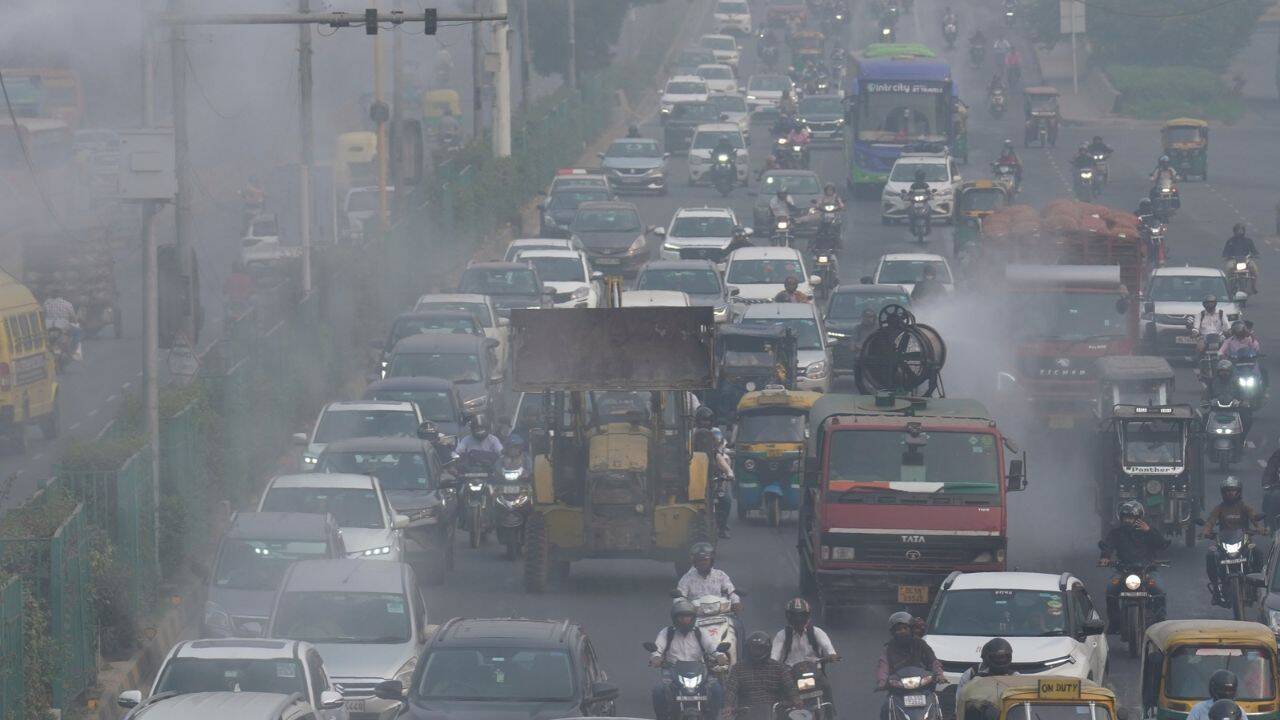
The latest measurements from the Indian Meteorological Department placed Delhi’s AQI at a level classified as very poor, reflecting concentrations of particulate matter far exceeding safe thresholds. Seventeen out of fifty‑nine monitoring stations recorded readings in the severe range, prompting health advisories that urged citizens to limit outdoor activity and wear protective masks. The persistence of such high pollution levels underscored the cumulative impact of vehicular emissions, industrial output, and seasonal agricultural burning.
The underlying tension stems from a clash between rapid urban expansion and inadequate regulatory enforcement. While the city has invested in green initiatives and expanded public transit, enforcement of emission standards for vehicles and construction sites remains inconsistent. Moreover, neighboring states continue to permit open burning of crop residues, a practice that contributes significantly to the smog that blankets the metropolitan area each winter.
The immediate fallout includes a surge in respiratory ailments, increased hospital admissions, and heightened public anxiety. Schools have intermittently suspended outdoor classes, and businesses report reduced foot traffic as consumers stay indoors. In the longer term, the episode is likely to intensify calls for stricter air quality legislation and coordinated regional strategies to curb the sources of pollution.
Comments 0