Pune's Water Crisis Deepens as Authorities Halt Rural Releases to Protect Urban Supply
The Pune Municipal Corporation has suspended water releases from the Khadakwasla circle dams to rural areas, a move that prioritizes the city's dwindling reserves over agricultural needs. This decision marks a sharp escalation in the region's water management strategy, forcing a difficult triage between urban survival and rural sustenance.
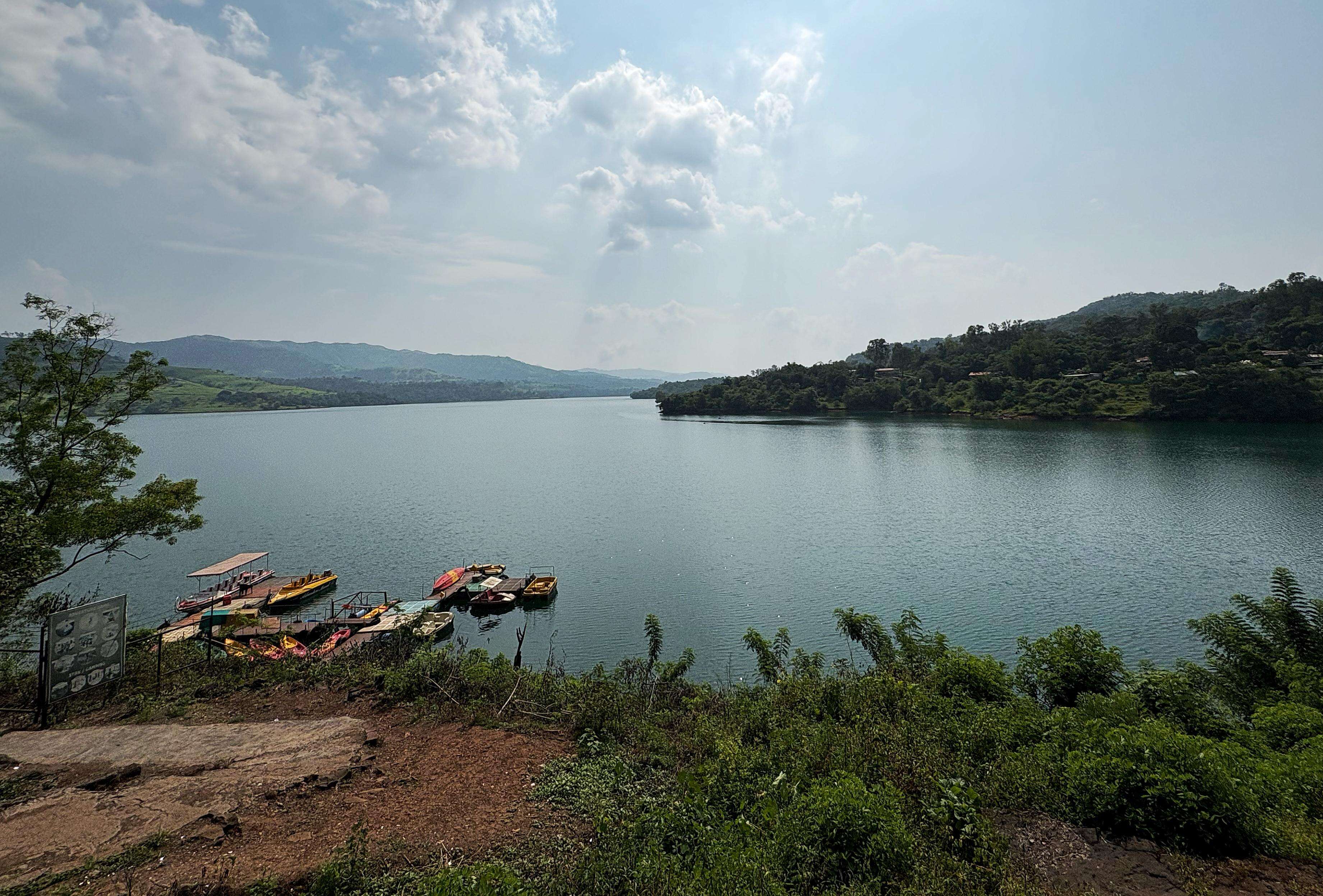
The immediate rupture in Pune's water infrastructure is stark: the gates that once fed the surrounding villages are now closed to preserve the city's own lifeline. Authorities have determined that the current storage levels in the Khadakwasla circle dams are insufficient to support both the municipal network and the downstream rural distribution systems. By halting these releases, the administration is effectively declaring a state of emergency for the urban core, acknowledging that the existing infrastructure cannot sustain the dual demand during this period of scarcity.
This decision is not merely a technical adjustment but a reflection of deepening institutional friction between urban and rural water governance. For years, the tension between the Pune Municipal Corporation and the surrounding panchayats has simmered over allocation rights and infrastructure upgrades. The current crisis has exposed the fragility of these arrangements, revealing that the city's rapid expansion has outpaced the capacity of the regional water grid. The move to cut off rural supply suggests that the political and administrative will to maintain equitable distribution has been overwhelmed by the immediate threat to the city's domestic and industrial water security.
The downstream consequences of this decision are already becoming tangible for the rural communities that depend on these flows. Farmers and residents in the affected areas face an immediate reduction in available water, which could impact agricultural cycles and daily domestic use. This shift underscores a broader pattern in Indian urbanization, where the demands of the metropolis increasingly dictate the fate of the periphery. The long-term implication is a potential hardening of boundaries between urban and rural water rights, a development that could reshape political alliances and resource management policies in the region for years to come.
Comments 0