Delhi's Pollution Paradox: Green Initiatives Yield More Smog
Despite aggressive policy measures aimed at reducing air pollution, Delhi is entering its most polluted fortnight, with air quality indices deteriorating sharply. This paradox highlights the failure of current regulatory frameworks to address the complex, multi-source nature of the city's environmental crisis.
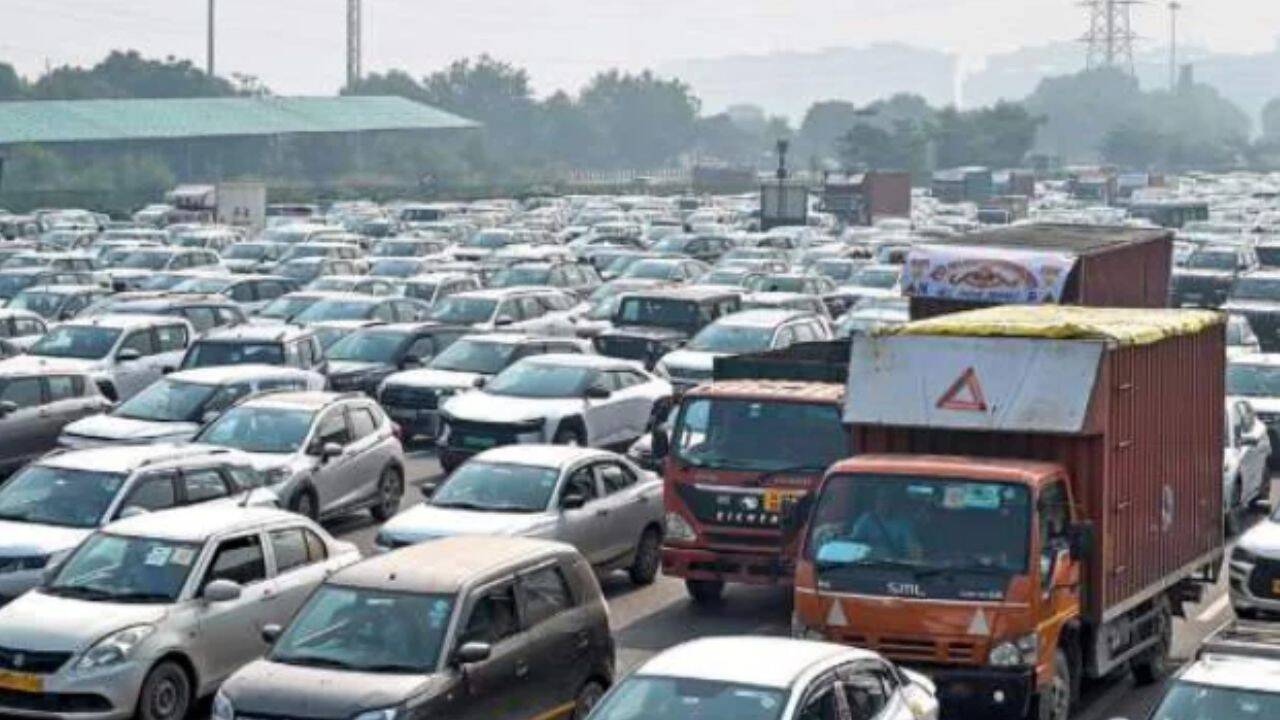
The concrete rupture is the stark contradiction between Delhi's ambitious pollution control policies and the reality of its worsening air quality. As the city enters its most polluted period of the year, the air quality indices have deteriorated sharply, rendering the air hazardous for prolonged exposure. This outcome is a direct result of the failure to effectively implement and enforce the various measures designed to curb emissions from industrial, vehicular, and agricultural sources, leaving the population to bear the brunt of the environmental degradation.
The underlying tension stems from the fragmented nature of pollution control efforts, where multiple agencies and jurisdictions struggle to coordinate a unified response. Institutional friction is evident in the gap between policy intent and on-ground enforcement, as regulatory bodies often lack the resources or political will to impose strict penalties on polluters. Additionally, the seasonal factors, such as crop burning in neighboring states and the inversion of temperature layers, exacerbate the problem, making it difficult for local measures to have a significant impact.
The downstream consequences of this pollution crisis are severe, with increased rates of respiratory and cardiovascular diseases among the population, particularly children and the elderly. The economic burden of healthcare costs and lost productivity is substantial, further straining the city's resources. This ongoing failure to improve air quality will likely lead to greater public discontent and pressure on the government to adopt more radical and integrated solutions, potentially including stricter industrial regulations and enhanced cross-border cooperation on agricultural practices.
Comments 0