Delhi's Supreme Court Mandate Forces a Winter Ban on Older Vehicles
The Supreme Court of India has mandated that only BS-VI compliant vehicles operate in Delhi during the winter months, seeking immediate responses from NCR states on pollution controls. This judicial intervention aims to break the cycle of toxic air that has plagued the capital, imposing strict regulatory boundaries on urban mobility.
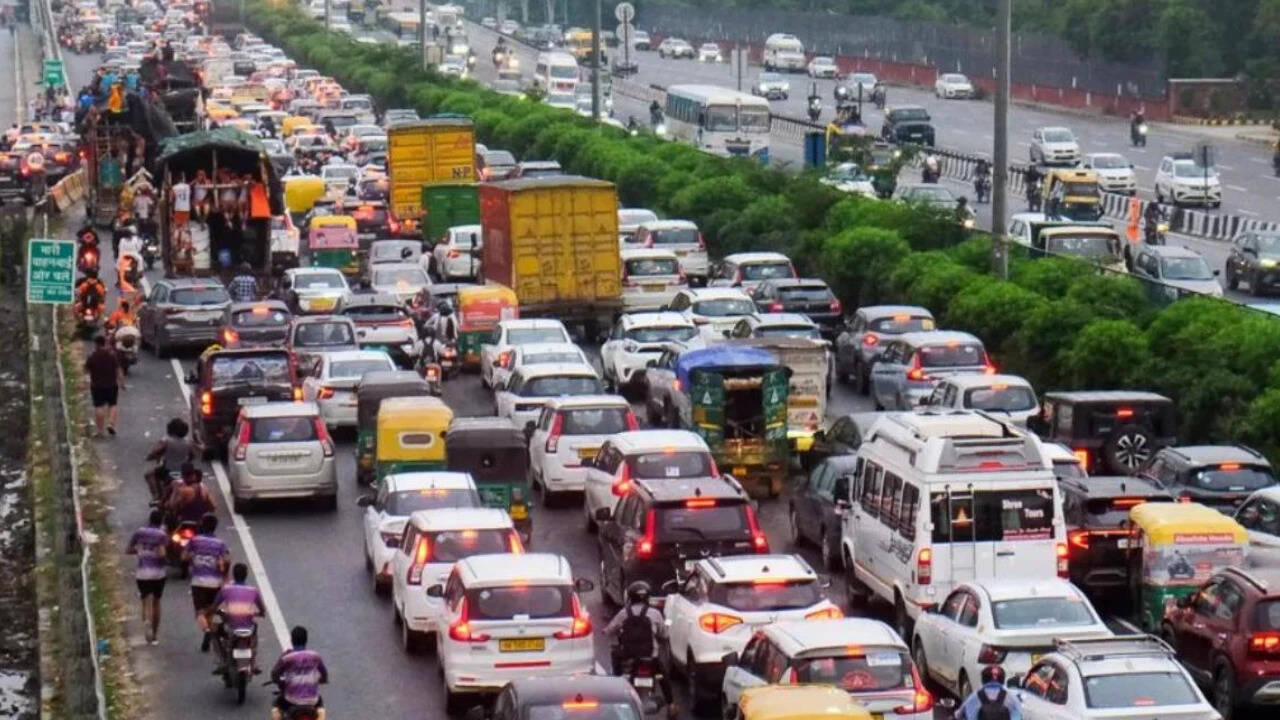
The concrete rupture is the judicial order restricting vehicle emissions in Delhi to the latest BS-VI standards during the critical winter period. This is a decisive move to address the acute air quality crisis that has become a public health emergency, forcing a rapid change in transport behavior for millions of commuters. The court's demand for responses from neighboring states highlights the transboundary nature of the pollution problem, recognizing that local measures alone are insufficient without coordinated regional action. This order effectively creates a temporary but strict regulatory zone that prioritizes public health over convenience.
The underlying tension involves the conflict between economic activity and environmental sustainability. The institutional friction is evident in the challenge of enforcing such a ban across a sprawling metropolitan area with diverse vehicle types and ownership patterns. The court's intervention underscores the failure of executive agencies to implement effective pollution control measures, shifting the burden to the judiciary to enforce compliance. This dynamic reflects a broader trend of judicial activism in environmental matters, where courts are stepping in to fill the vacuum left by political inaction.
The downstream casualties include the informal transport sector and lower-income commuters who rely on older, cheaper vehicles for their livelihoods. The tangible outcome is a potential reduction in particulate matter levels in Delhi, which could lead to a decrease in respiratory illnesses and related healthcare costs. However, the immediate impact will be a significant disruption to daily life, with many residents forced to seek alternative modes of transport or face penalties, thereby testing the resilience of the city's social and economic fabric.
Comments 0