Delhi's Untreated Waste Flows Unchecked Into the Yamuna
A new investigation maps the journey of sewage from household drains to the river, exposing gaps in the capital's treatment infrastructure. The findings have ignited public outcry and prompted municipal officials to promise accelerated upgrades.
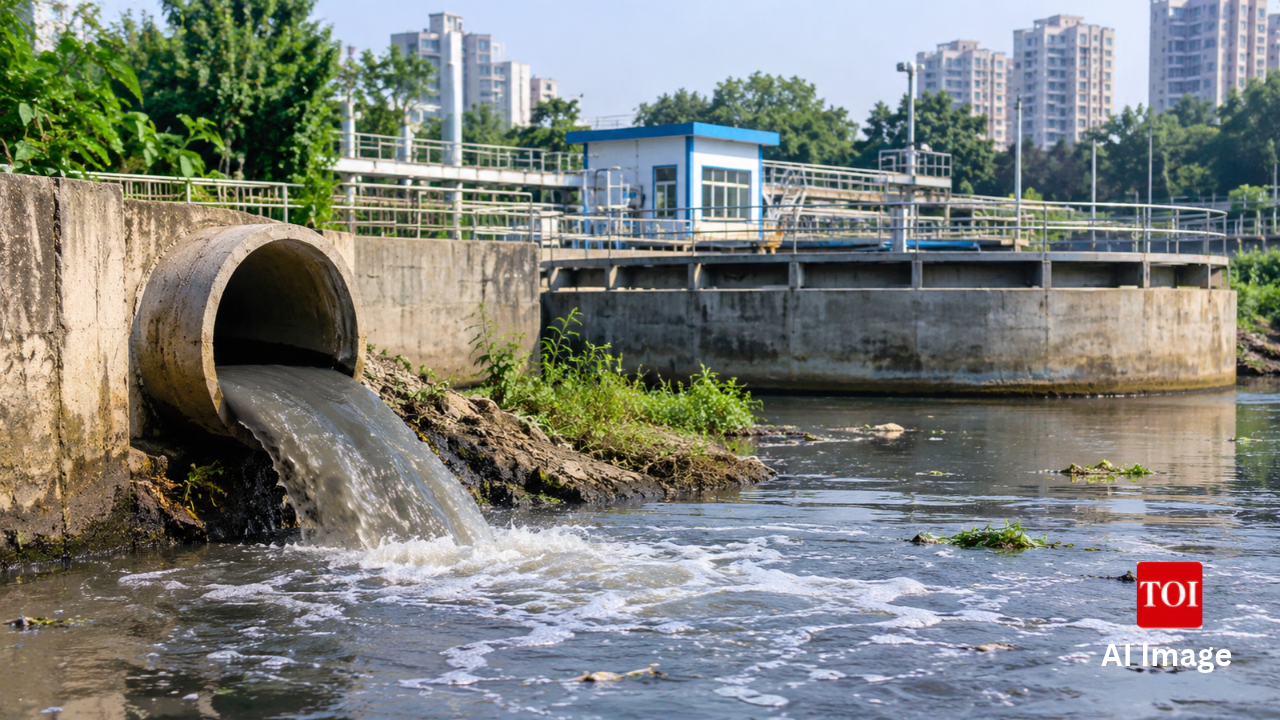
The concrete rupture is revealed through a step‑by‑step tracing of wastewater that leaves Delhi’s residential blocks, travels through overburdened sewers, and ultimately discharges into the Yamuna without adequate treatment. Field surveys documented pipe overflows, illegal connections and aging treatment plants operating far below capacity, allowing raw effluent to mingle with river water during monsoon peaks. The report quantifies the volume of pollutants entering the river each day, underscoring a systemic failure.
Underlying tension resides in the chronic underinvestment in urban sanitation, compounded by rapid population growth and bureaucratic inertia. Municipal agencies contend with fragmented responsibilities among water, health and urban development departments, leading to delayed approvals for new treatment facilities. Environmental activists argue that the capital’s failure to meet national water quality standards reflects a broader neglect of public health priorities.
Downstream casualties are already evident: communities downstream report increased incidences of water‑borne diseases, while the river’s ecological balance suffers from oxygen depletion and loss of biodiversity. Agricultural users downstream face reduced irrigation quality, and the capital’s reputation as a livable city erodes. In response, the Delhi government has announced a fast‑track plan to double treatment capacity, yet the scale of the problem suggests that remedial action will unfold over several years.
Comments 0