Prime Minister Elevates Vocational Training to Parity with Elite Academic Institutions
Prime Minister Narendra Modi has publicly asserted that students from Industrial Training Institutes deserve the same societal respect as those from the Indian Institutes of Technology. This rhetorical shift aims to rebrand vocational education as a path to national economic strength rather than a secondary option.
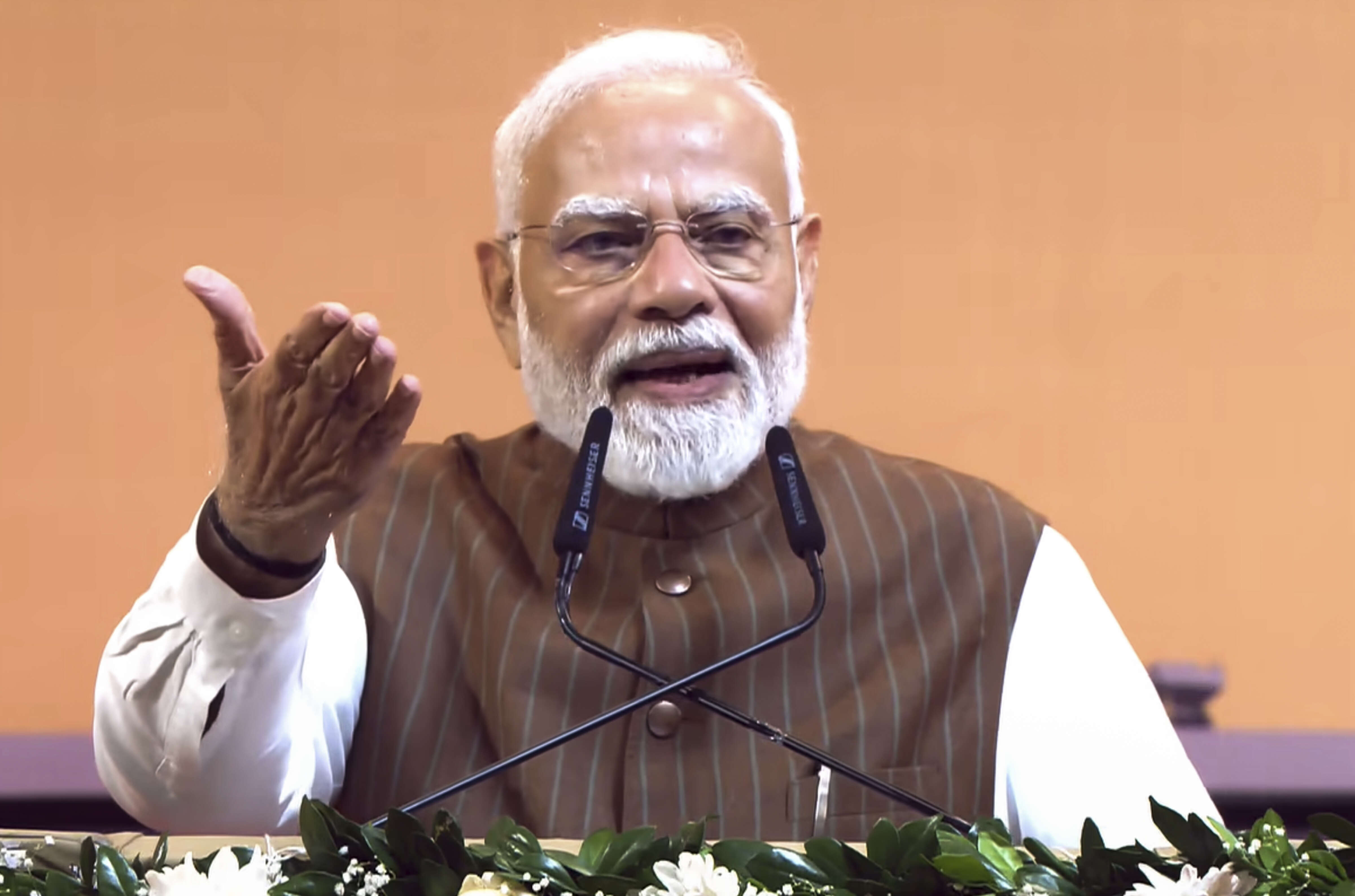
The Prime Minister's statement represents a significant rhetorical pivot in how the Indian state frames the value of technical and vocational education. By explicitly equating the social standing of ITI students with that of IIT graduates, the government seeks to dismantle the long-standing stigma that associates vocational training with lower social status. This declaration is not merely ceremonial; it signals a policy intent to redirect public perception and, potentially, investment toward skilled trades that are essential for manufacturing and infrastructure development.
The institutional friction underlying this statement reflects a persistent mismatch between India's academic culture and its industrial needs. For decades, the elite academic track has been viewed as the sole route to social mobility, leaving a vast pool of skilled labor undervalued and underutilized. The Prime Minister's intervention attempts to bridge this gap by leveraging his political capital to alter the social hierarchy of education, thereby encouraging more students to pursue technical certifications that align with the country's industrial growth strategy.
The tangible outcome of this rebranding effort will be measured by changes in enrollment patterns and employer attitudes over the coming years. If successful, this shift could lead to a more robust skilled workforce, reducing the reliance on foreign labor for technical roles and enhancing India's competitiveness in global supply chains. However, the success of this narrative depends on whether the state can also improve the quality of training and the employability of ITI graduates, ensuring that the respect accorded to them is backed by economic reality.
Comments 0