Deluge Across Bihar Displaces Millions as State Machinery Mobilizes Emergency Relief
Catastrophic flooding across Bihar has directly impacted forty-eight million residents, overwhelming local administrative structures and displacing entire agrarian communities. State disaster response forces are racing against rising river levels to deliver emergency provisions to isolated populations.
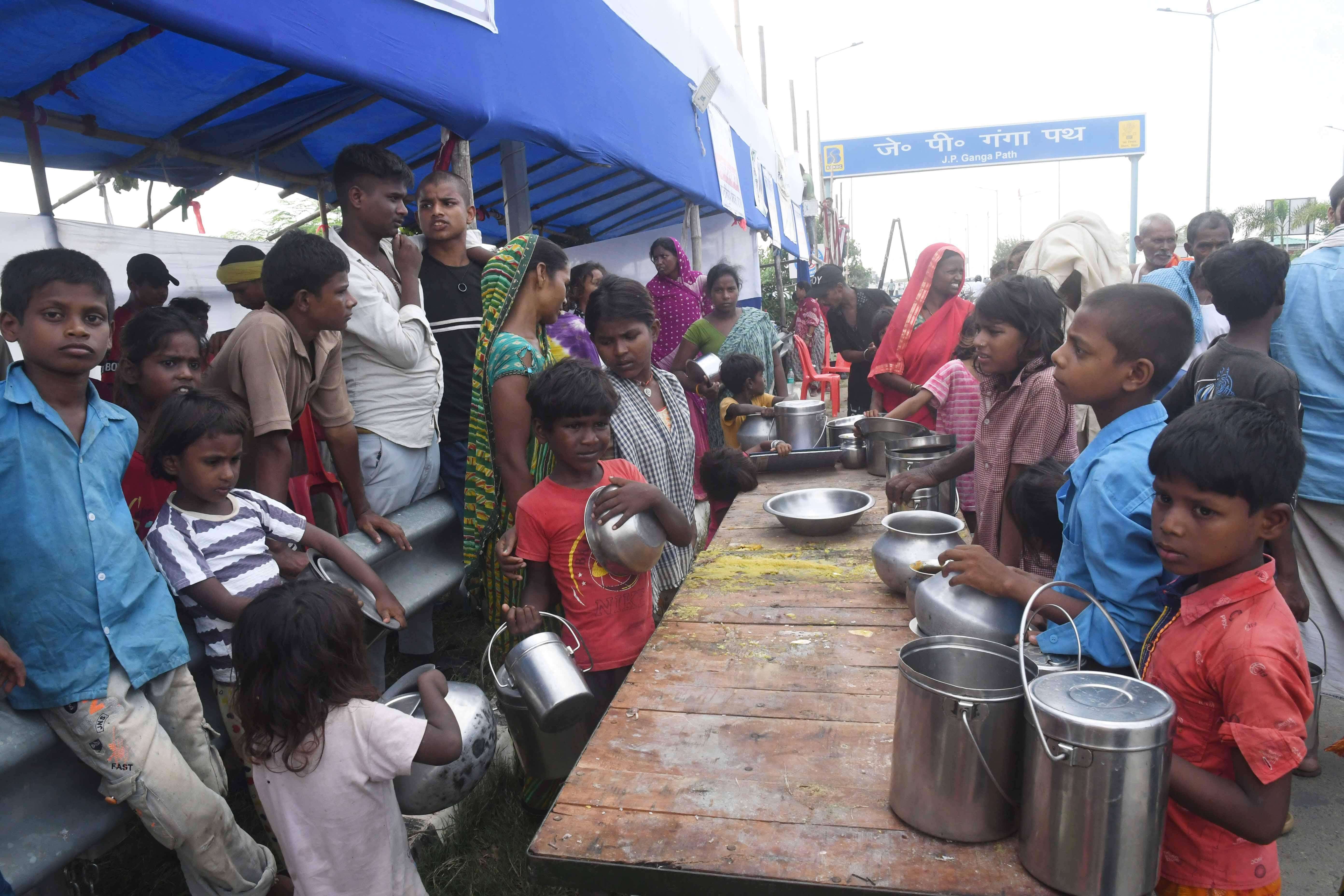
The mighty rivers of Bihar have breached their ancestral banks once again, unleashing an overwhelming volume of monsoon runoff across fertile plains and densely populated districts. Over forty-eight million citizens find themselves caught in the surging waters, watching their homes, livestock, and seasonal harvests vanish beneath muddy brown currents. The scale of the inundation has paralyzed local transit networks, turning rural pathways into navigable rivers and cutting off remote hamlets from immediate medical assistance. State disaster management authorities have thrown every available resource into the rescue operations, deploying motorboats and establishing makeshift relief camps on elevated highways and railway embankments. Yet the sheer geographic breadth of the disaster has stretched administrative capacity to its absolute breaking point. Local officials are locked in a relentless battle against time, trying to distribute clean drinking water and prevent waterborne epidemics among populations huddled in temporary shelters under persistent monsoon skies. Beyond the immediate humanitarian crisis, this recurring catastrophe exposes the systemic failure of long-term flood mitigation infrastructure in the eastern Gangetic basin. As floodwaters slowly recede in the coming months, displaced families will face the grim reality of destitute reconstruction without adequate financial safety nets. The economic shockwaves will ripple through regional markets, deepening rural indebtedness and accelerating distress migration toward urban centers.
Comments 0