Valmiki Tiger Reserve Records Fivefold Expansion in Gaur Population Over Two Decades
The gaur population within Bihar's Valmiki Tiger Reserve has multiplied nearly fivefold over the past twenty years. This demographic surge reflects successful habitat regeneration and stringent anti poaching enforcement in India's eastern corridor.
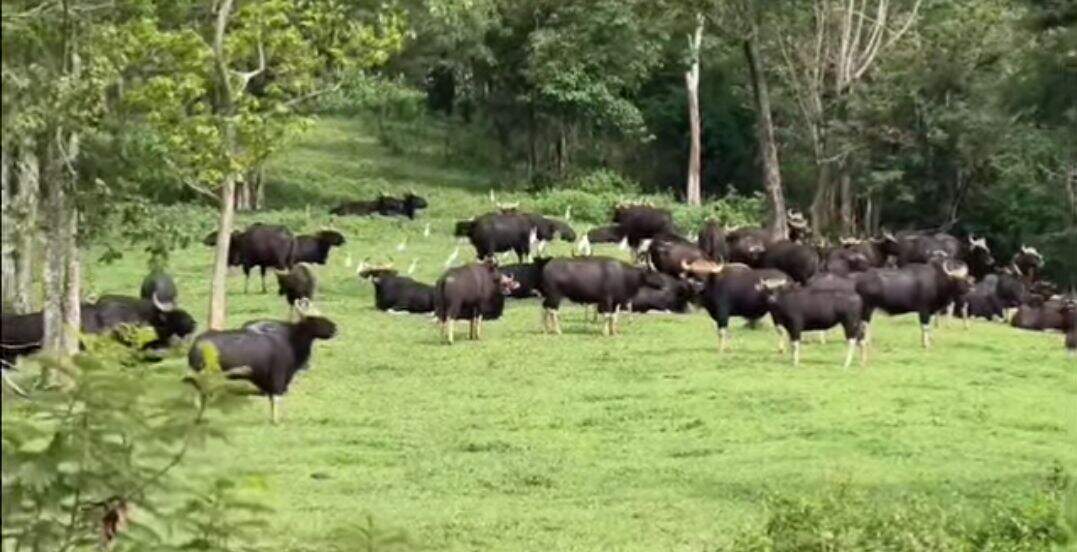
Conservation metrics in the Valmiki Tiger Reserve have historically lagged behind premier western and southern sanctuaries. However, rigorous protection of core forest zones has allowed large herbivores to reclaim historical grazing grounds along the Himalayan foothills. The multiplication of the Indian bison population serves as a biological indicator of structural ecosystem recovery. Local forest management authorities implemented strict grazing bans and expanded watering holes, reducing human wildlife conflict in peripheral villages. This conservation success creates unique administrative friction as large herds occasionally wander into agricultural lands bordering the sanctuary. Wildlife wardens must now balance the ecological imperative of wild herbivore expansion with the livelihood security of surrounding agrarian communities. As gaur numbers continue to climb, the carrying capacity of the reserve's core zones will face severe biological tests. The downstream effect includes a natural stabilization of apex predator populations, particularly tigers, which benefit from an abundant prey base. State wildlife departments must secure additional contiguous forest corridors to prevent territorial overcrowding and manage agrarian spillovers.
Comments 0