Dietary Disparities: Gender Inequality on the Plate in Telangana
Recent data from Telangana reveals a pronounced gender gap in the consumption of protein-rich foods, with women consistently lagging behind men. This nutritional imbalance highlights entrenched socioeconomic disparities that affect public health outcomes across rural and urban households.
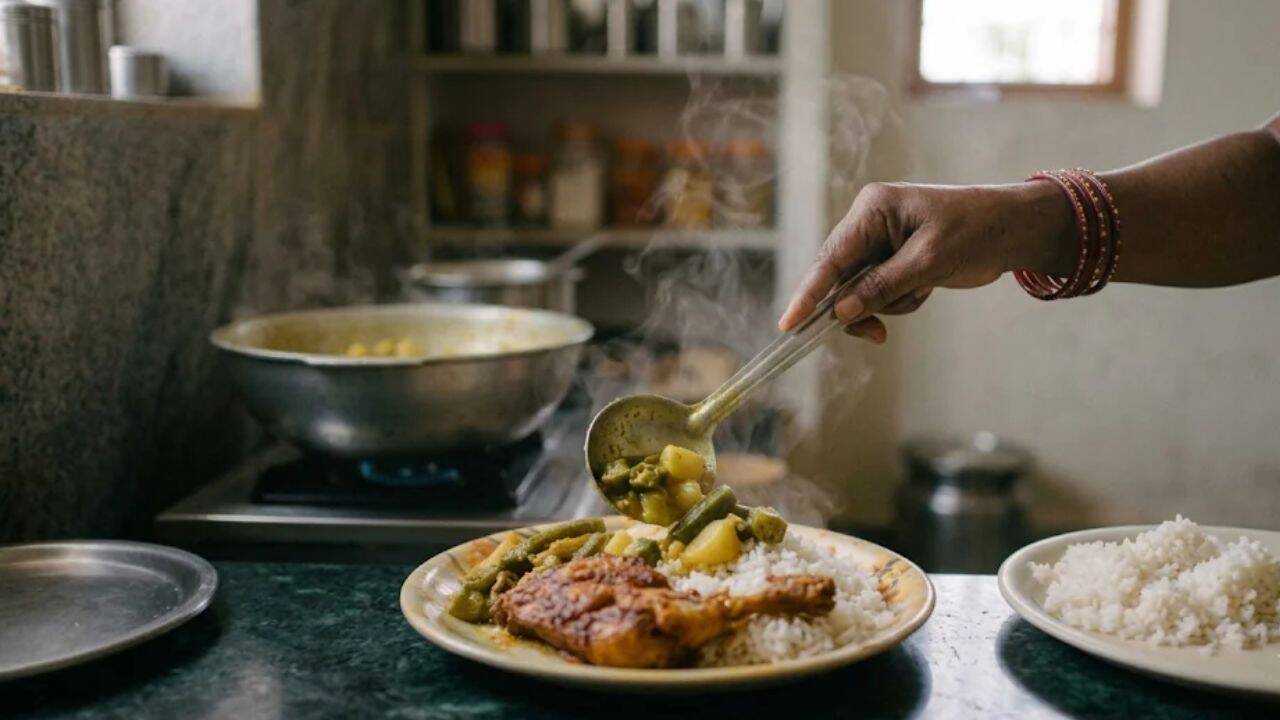
Public health metrics from Telangana have brought to light a quiet domestic inequity concerning daily nutritional intake within households. Studies examining dietary patterns indicate that male family members routinely consume higher quantities of protein-dense foods, such as dairy, meat, and legumes. This imbalance is not merely a reflection of personal preference, but rather a manifestation of traditional household hierarchies where wage earners and male dependents are prioritized during meal distribution.
The underlying cause of this nutritional gap is rooted in generational domestic norms and economic vulnerability that disproportionately affect women. In many working-class families, the scarcity of resources forces an implicit rationing system where women absorb the dietary deficit. Public health advocates point out that nutritional programs often focus on pregnant and lactating mothers while overlooking the broader nutritional needs of adult women across their life span, leaving a systemic blind spot in state welfare policy.
The downstream casualties of this dietary disparity are chronic fatigue, anemia, and long-term health vulnerabilities among women that diminish economic productivity. Without targeted state interventions and grassroots nutritional education, the health divide will continue to widen across generations. Policymakers face mounting pressure to redesign public distribution schemes to ensure equitable intra-household food security.
Comments 0