Rajasthan High Court Streamlines Litigation by Exempting State from Routine Agency Impleadment
The Rajasthan High Court ruled that the state government need not be automatically impleaded in criminal matters handled by federal bodies like the CBI and NCB. The judicial directive aims to reduce administrative delays and curtail redundant litigation burdens on state machinery.
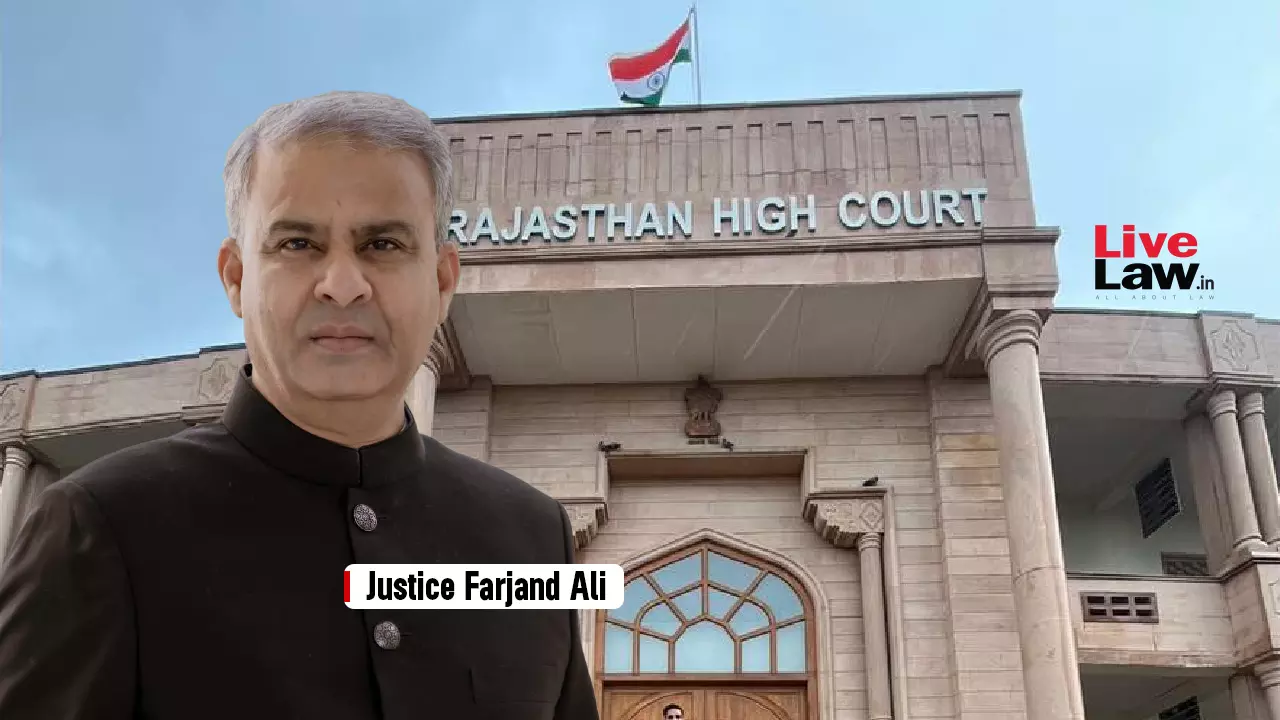
Judicial efficiency received a significant boost as the Rajasthan High Court addressed the procedural bottlenecks associated with criminal investigations conducted by central agencies. The bench directed that the state government should no longer be routinely named as a party in cases where specialized federal entities such as the Central Bureau of Investigation or the Narcotics Control Bureau hold primary investigative jurisdiction. This ruling addresses long-standing concerns regarding the unnecessary accumulation of administrative burdens on state legal departments.
Under previous practices, state machinery was routinely drawn into complex federal proceedings, resulting in duplicated legal representations and delayed adjudication. The judiciary noted that unless the specific liability or administrative failure of the state government forms a substantive element of the prosecution, its formal inclusion serves little legal purpose. The decision reflects a growing judicial appetite for pruning superfluous procedural requirements to expedite criminal trials and optimize court dockets.
The outcome of this ruling will likely serve as a persuasive precedent for other state high courts grappling with overburdened judicial systems. By rationalizing party structures in central agency probes, the legal process can focus more directly on substantive determinations of guilt or innocence. State legal departments will experience immediate relief, allowing them to allocate constrained resources toward matters demanding direct territorial accountability.
Comments 0