Guilt by Association: Jammu and Kashmir High Court Rejects Family-Based Disqualification
The Jammu and Kashmir and Ladakh High Court has ruled that relatives' past antecedents cannot disqualify a candidate from public appointment. The verdict strikes down an administrative rejection based on a CID report linking an applicant's family to militancy.
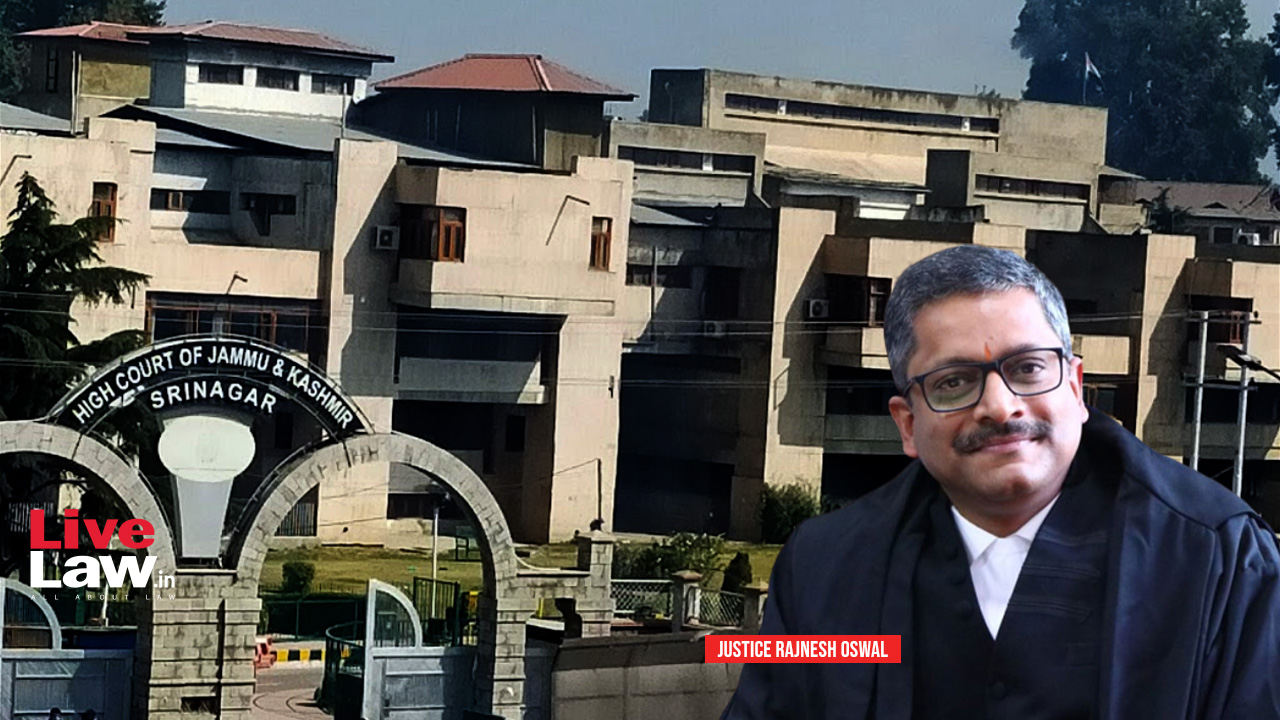
The administration of public appointments in sensitive regions received a judicial correction when the High Court addressed the practice of penalizing individuals for the political or criminal actions of their relatives. The case arose after a candidate selected for the position of Lambardar was denied appointment solely because a criminal investigation department report cited family connections to past militancy. The court intervened to protect individual civil liberties against sweeping administrative presumptions of guilt.
Institutional friction in this domain typically arises from the tension between state security protocols and constitutional guarantees of individual equality. Intelligence agencies routinely compile extensive dossiers on applicants in border regions, often utilizing familial associations as a proxy for individual reliability. The judiciary has consistently stepped in to curb this administrative overreach, ruling that collective punishment or hereditary disqualification violates fundamental constitutional principles.
The tangible outcome of this ruling is a stronger protection of individual rights against arbitrary state vetting procedures. Administrative departments must now establish concrete, individualized evidence of wrongdoing rather than relying on familial lineage to deny employment. This precedent will compel security agencies to refine their screening processes to align with constitutional mandates.
Comments 0