Digital Encryption Meets Forensic Dead-Ends in Mumbai Student Death Investigation
Investigators probing the tragic suicide of an IIT Bombay student remain locked out of critical digital evidence due to biometric encryption barriers. The case highlights the escalating collision between digital privacy rights and law enforcement mandates in high-profile criminal inquiries.
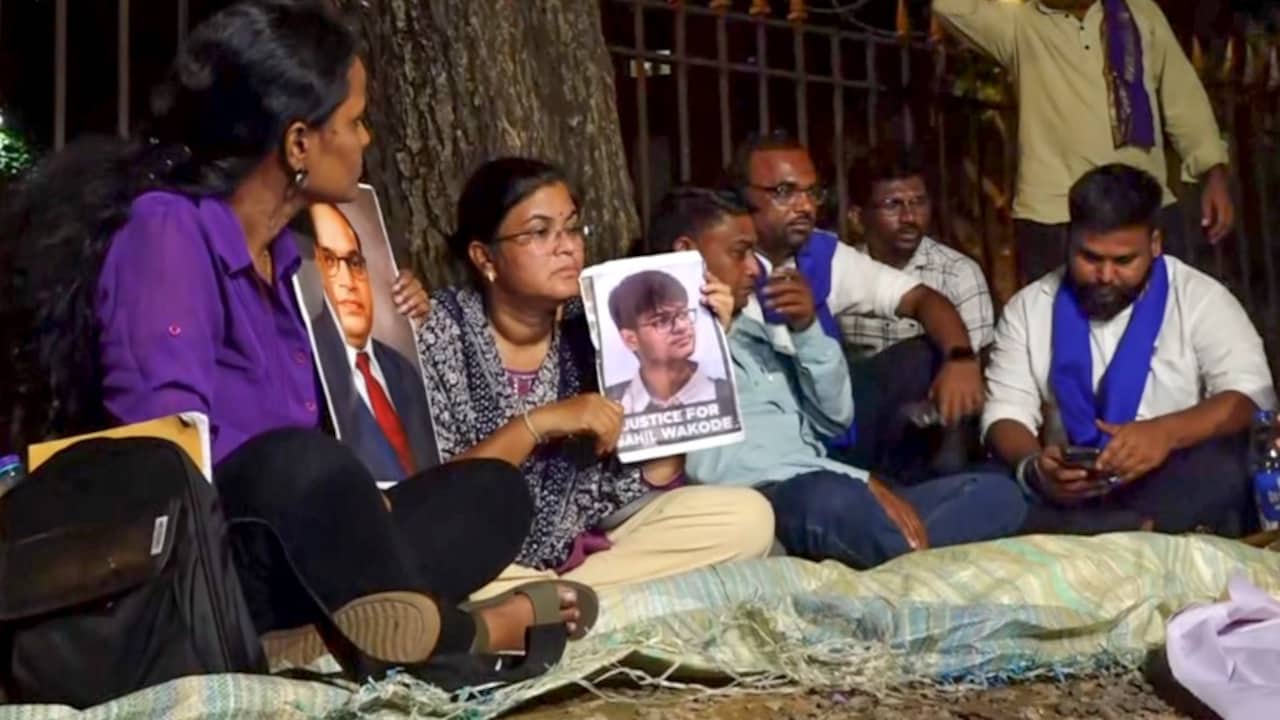
The ongoing investigation into the death of student Sahil Wakode has struck a formidable technological wall centered on the victim's heavily secured smartphone. Despite weeks of forensic analysis, cyber cells have been unable to bypass pattern locks and proprietary encryption protocols to access call logs, messaging archives, and cloud backups that could clarify the final hours before the incident. This evidentiary impasse exposes a widening structural chasm between state investigative powers and the ironclad privacy architectures engineered by global technology conglomerates. While police agencies argue that withheld metadata obstructs justice and denies closure to grieving families, civil liberties advocates emphasize that weakening device security for state access introduces systemic vulnerabilities for millions of innocent users. The institutional friction here is not merely local; it is a microcosm of the global debate over sovereign warrants versus zero-knowledge encryption. The immediate casualty of this technical standoff is a transparent, timely accounting of the pressures leading up to the tragedy, leaving investigators dependent on circumstantial testimony. As encryption standards grow more sophisticated, law enforcement agencies face a future where physical autopsies are increasingly decoupled from their digital counterparts.
Comments 0