Indian Refiners Direct Tankers Into Hormuz To Capture Discounted Crude Streams
State-backed and private Indian refiners have begun chartering dedicated crude carriers to sail directly into the Persian Gulf through the Strait of Hormuz. This operational pivot allows procurement desks to bypass intermediary margins and secure discounted crude barrels amid volatile maritime shipping logistics.
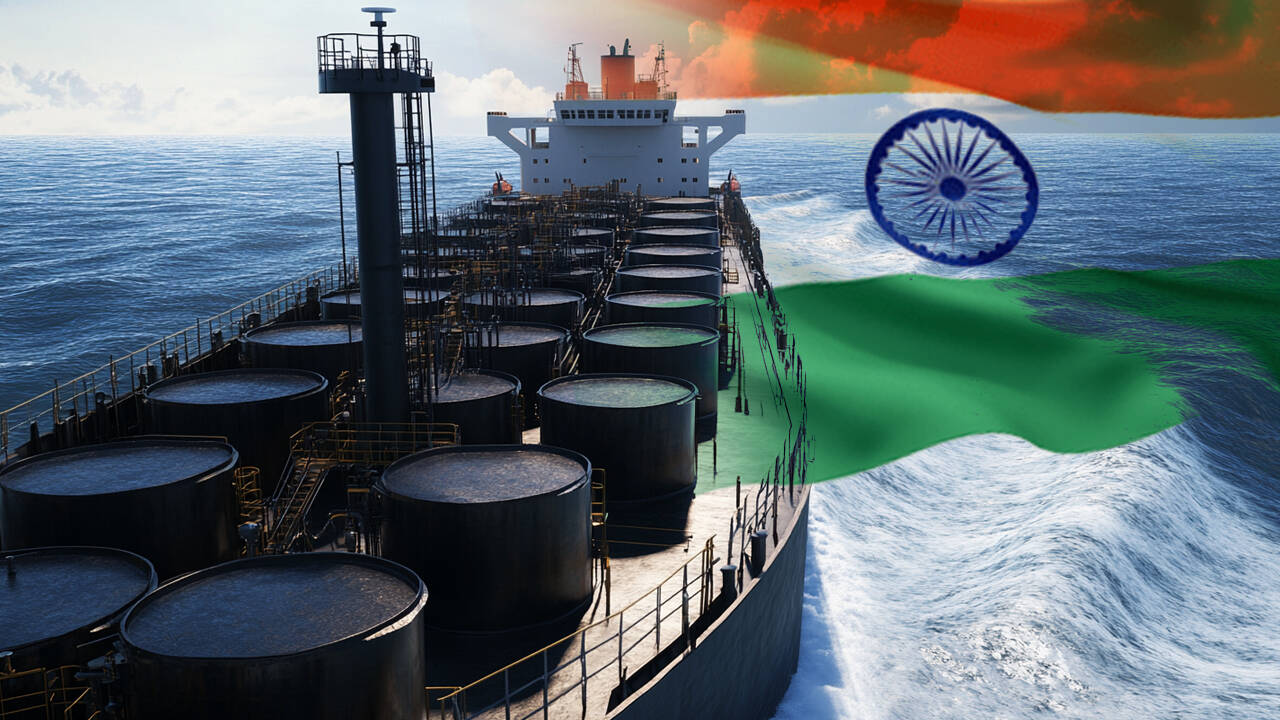
The persistent elevation of global freight insurance premiums and the widening differentials of sour crude grades have forced Indian procurement executives to rethink their traditional delivery models. Rather than relying entirely on cost-and-freight contracts where foreign suppliers dictate logistics terms, domestic refiners are now deploying owned and chartered tankers to take direct physical delivery inside the Persian Gulf. This aggressive direct-sourcing strategy targets heavy discounts offered by producers seeking guaranteed off-take volumes in an increasingly competitive Asian importing market. Executing this maritime pivot requires sophisticated risk management from corporate treasuries and shipping desks, particularly given the geopolitical sensitivities surrounding the Strait of Hormuz chokepoint. Refiners are coordinating closely with naval escorts and maritime intelligence agencies to secure real-time routing data, mitigating the threat of vessel interdiction or unexpected insurance cancellations. By assuming direct control over the maritime leg of the supply chain, Indian firms are successfully shaving operational costs off every delivered barrel, protecting domestic refining margins against broader macroeconomic headwinds. The immediate consequence of this strategic shift is a tangible tightening of CIF margins for rival Asian buyers and a realignment of charter rates across the Middle Eastern export market. Indian refiners emerge as primary commercial winners, securing cheaper feedstock that translates directly into higher gross refining margins and improved domestic fuel pricing buffers. Downstream, this direct maritime engagement signals a permanent evolution in India's energy security playbook, transforming passive buyers into active participants in critical maritime logistics corridors.
Comments 0