European Gas Prices Spike as Middle East Tensions Choke Qatari Flows
Benchmark natural gas prices in Amsterdam surged to their highest levels since 2022, driven by the restriction of Qatari LNG exports and the onset of colder temperatures across the European Union. This energy shock threatens to reignite inflationary pressures and force European nations to tap into strategic reserves at a critical time.
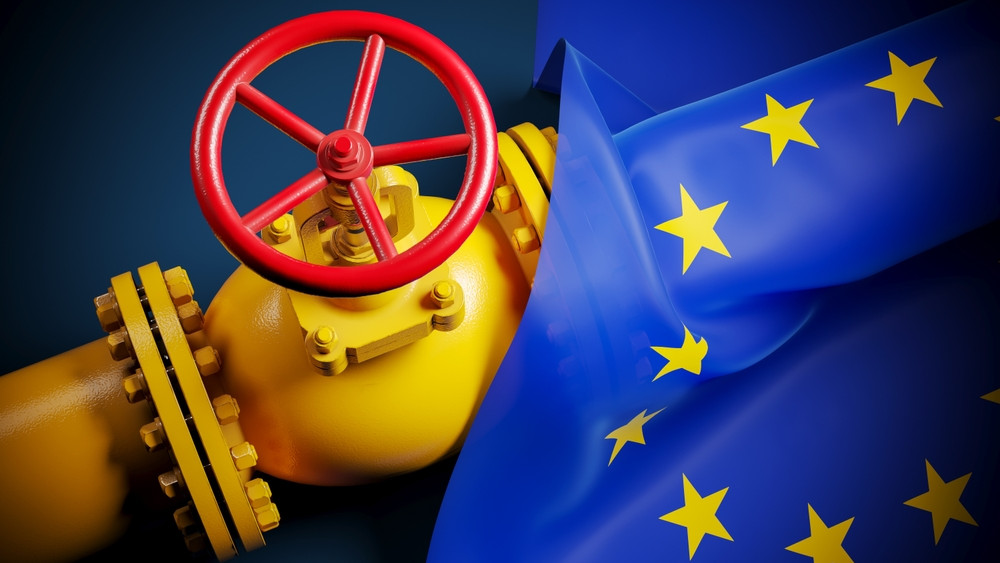
The energy markets of Europe have jolted awake to a new reality, with benchmark natural gas prices in Amsterdam jumping by three percent at the opening of trade on Friday. This surge marks the highest level seen since 2022, a period when the continent was still reeling from the aftermath of the Russia Ukraine conflict. The primary driver of this volatility is the ongoing escalation in the Middle East, which has effectively restricted the flow of Liquefied Natural Gas from Qatar, a key supplier to European grids. As temperatures drop across the continent, the demand for heating coincides with a supply crunch, creating a perfect storm for price inflation.
The underlying friction here is a structural vulnerability in European energy policy. For years, the continent has sought to diversify away from Russian pipeline gas, turning to LNG imports from the Middle East and the United States. However, this diversification has introduced a new layer of geopolitical risk. The reliance on seaborne LNG makes European energy security susceptible to conflicts in distant regions, such as the Middle East. The current situation exposes the limits of this strategy, as the physical infrastructure for receiving and distributing LNG cannot easily be scaled up to meet sudden spikes in demand or to replace lost supply from a major source.
The tangible outcome of this price surge is a renewed threat to economic stability across the European Union. Higher energy costs translate directly into increased production expenses for industries and higher utility bills for households, potentially stoking inflation that central banks have worked hard to suppress. As some EU countries begin to tap into their gas storage reserves, the question becomes one of timing and sufficiency. If the Middle East conflict persists, the depletion of these reserves could lead to a more severe energy crisis, forcing governments to implement rationing measures or seek emergency imports at even higher prices, thereby deepening the economic downturn.
Comments 0