Federal Aviation Administration Deploys Artificial Intelligence Across National Airspace
The Federal Aviation Administration has initiated a massive funding allocation to integrate automated traffic management systems into commercial corridors. While proponents cite long-term efficiency gains, operational skeptics warn of persistent vulnerabilities within legacy ground infrastructure.
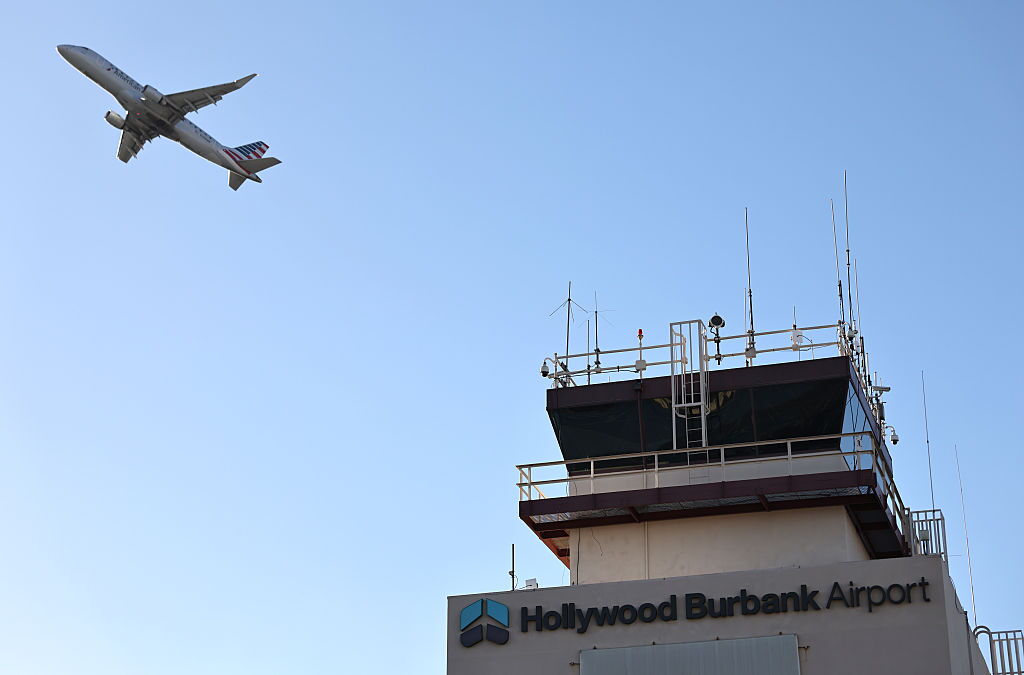
The federal aviation authority has formally launched an ambitious technological modernization initiative aimed at reengineering the administrative mechanics of American airspace. By injecting substantial capital into automated management architectures, the agency seeks to alleviate chronic congestion and streamline high-density flight corridors. This digital pivot attempts to replace manual coordination models with algorithmic oversight capable of predicting terminal bottlenecks hours in advance. Yet this transition exposes deep structural anxieties regarding the readiness of underlying air traffic control networks. Aviation labor unions and independent safety analysts argue that software interventions cannot compensate for chronic staffing shortages and aging radar hardware deployed across regional hubs. The friction between digital ambition and physical obsolescence creates an uncomfortable operational paradox where advanced algorithms must interface with decrepit ground facilities. The immediate fallout of this technological integration includes recurring software calibration delays and heightened scrutiny from legislative oversight committees demanding measurable safety metrics. Commercial airlines face an uncertain transitional period marked by uneven procedural updates across domestic airports. Over the coming quarters, the success of this initiative will depend entirely on whether the software architecture can absorb unexpected meteorological shocks without triggering cascading ground stops.
Comments 0