Federal Medicaid Drug Pricing Pledges Confront State-Level Resistance
Efforts by the federal executive to enforce lower pharmaceutical costs through Medicaid face severe implementation hurdles across individual state jurisdictions. The voluntary nature of state opt-in mechanisms creates a fragmented regulatory patchwork that blunts intended consumer relief.
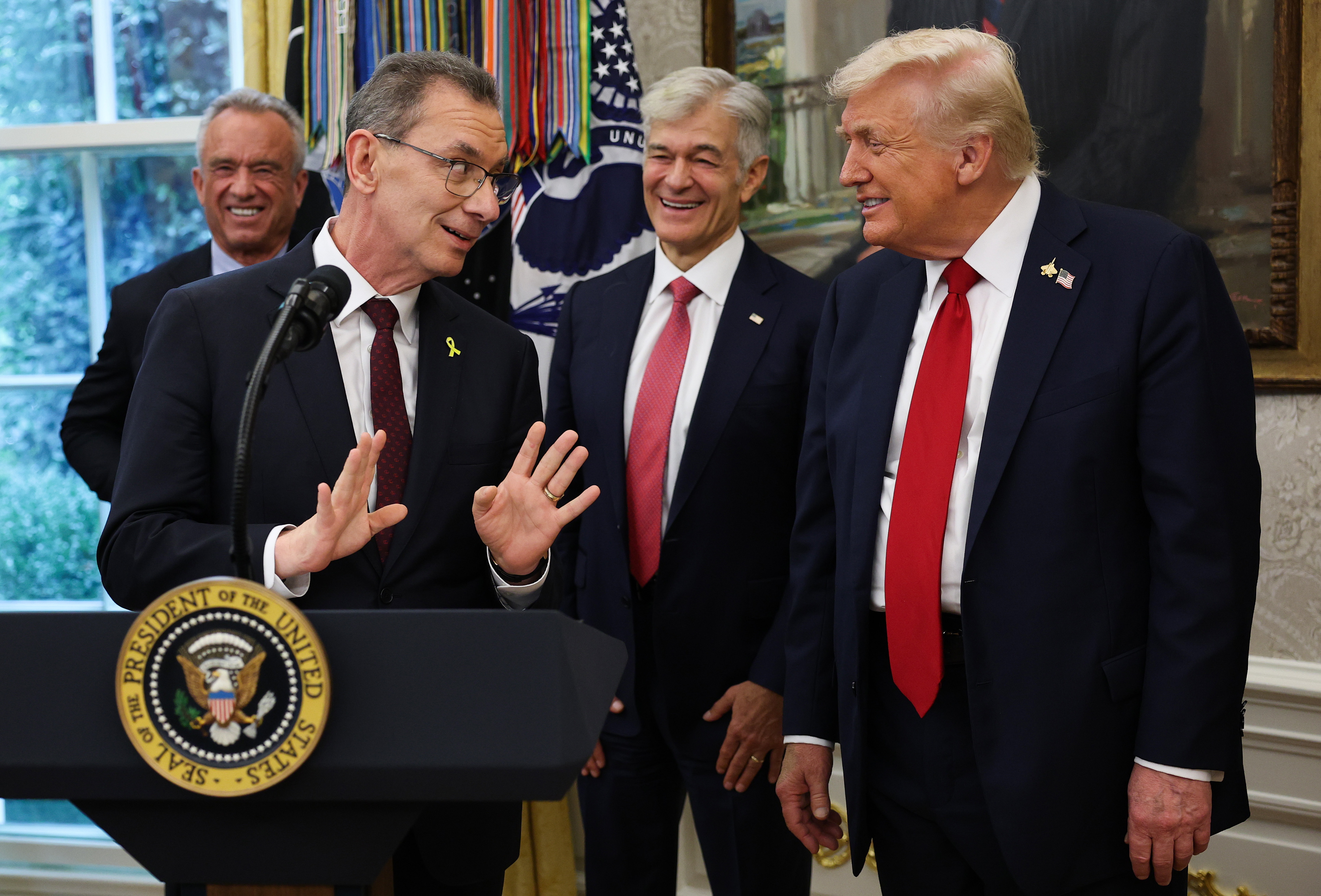
Executive promises to overhaul prescription drug pricing within public healthcare safety nets rely heavily on complex intergovernmental coordination. One year after ambitious declarations regarding Medicaid pharmaceutical affordability, the actual delivery of reduced costs remains highly uneven across the United States. Because state governments retain administrative autonomy over their healthcare administration, federal pricing mandates require voluntary adoption that many jurisdictions have hesitated to execute. This dynamic exposes structural friction between federal health agencies and state treasuries concerned with unexpected budgetary exposure. Pharmaceutical manufacturers and state health officials engage in protracted negotiations over reimbursement formulas, delaying the realization of consumer savings. The absence of a unified national enforcement mechanism allows corporate lobbyists to negotiate favorable exemptions state by state. The tangible outcome is a frustrated public waiting for promised pharmaceutical relief while state-level administrators manage conflicting fiscal priorities. Vulnerable patient populations in non-participating states bear the cost of this bureaucratic delay, demonstrating the limits of federal executive authority over decentralized healthcare delivery.
Comments 0