Fiscal Retrenchment and Pension Adjustments: Punjab Restructures State Liabilities
The Punjab government has announced tiered financial arrears distributions for state pensioners, allocating thirty percent to Class-III recipients and fifteen percent to Class-I and Class-II personnel. This fiscal maneuver attempts to balance mounting budgetary pressures with statutory welfare obligations.
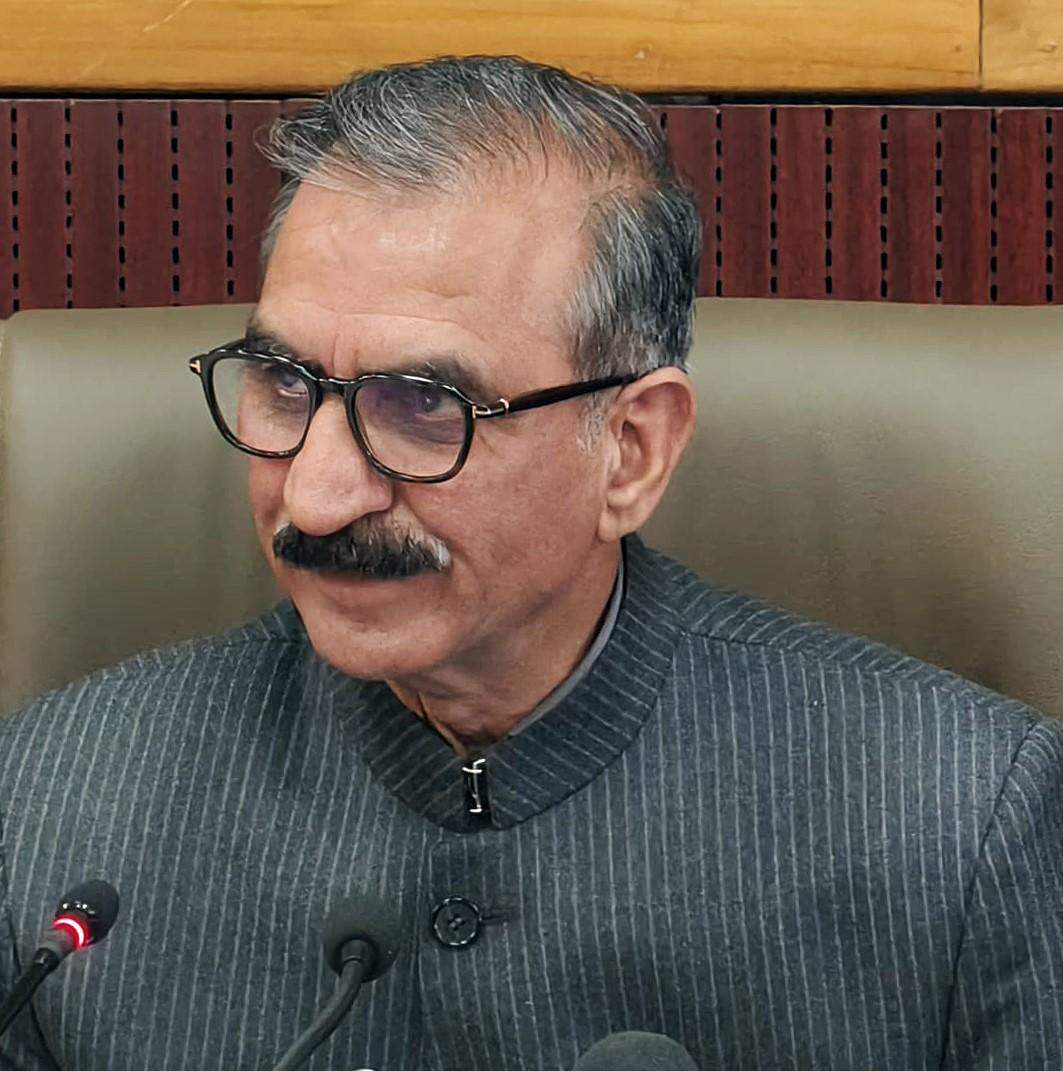
State finances in northern India experienced a notable recalibration as the Punjab administration unveiled differential payment schedules for retired government employees. Under the revised directive, lower-income Class-III pensioners will receive a larger proportion of their pending monetary arrears compared to their senior bureaucratic counterparts in higher service brackets. Chief ministerial representatives framed the policy as a targeted measure designed to support retirees who possess limited secondary income sources amidst rising inflationary pressures. This administrative decision reflects the perennial fiscal constraints confronting sub-national governments burdened by high legacy debt servicing and expansive public sector pension commitments. State treasuries must navigate narrow margins between maintaining capital expenditure for regional development and satisfying statutory compensation demands from powerful employee unions. By prioritizing lower-tier pensioners, the government attempts to mitigate political backlash from the largest voting demographic within the retired workforce without triggering an immediate liquidity crisis. The downstream outcome of this tiered disbursement is a temporary stabilization of state treasury reserves accompanied by quiet resentment among senior administrative retirees. Economists anticipate that the policy will force subsequent revisions to state borrowing caps, demonstrating the delicate calculus required to manage sub-national debt without collapsing public welfare delivery.
Comments 0