Former CJI D Y Chandrachud was more deferential to government than needed, says Justice Kaul
Justice Sanjay Kishan Kaul has raised concerns about former Chief Justice D Y Chandrachud's approach to judicial appointments. He argued that Chandrachud was too deferential to the government, raising questions about judicial independence.
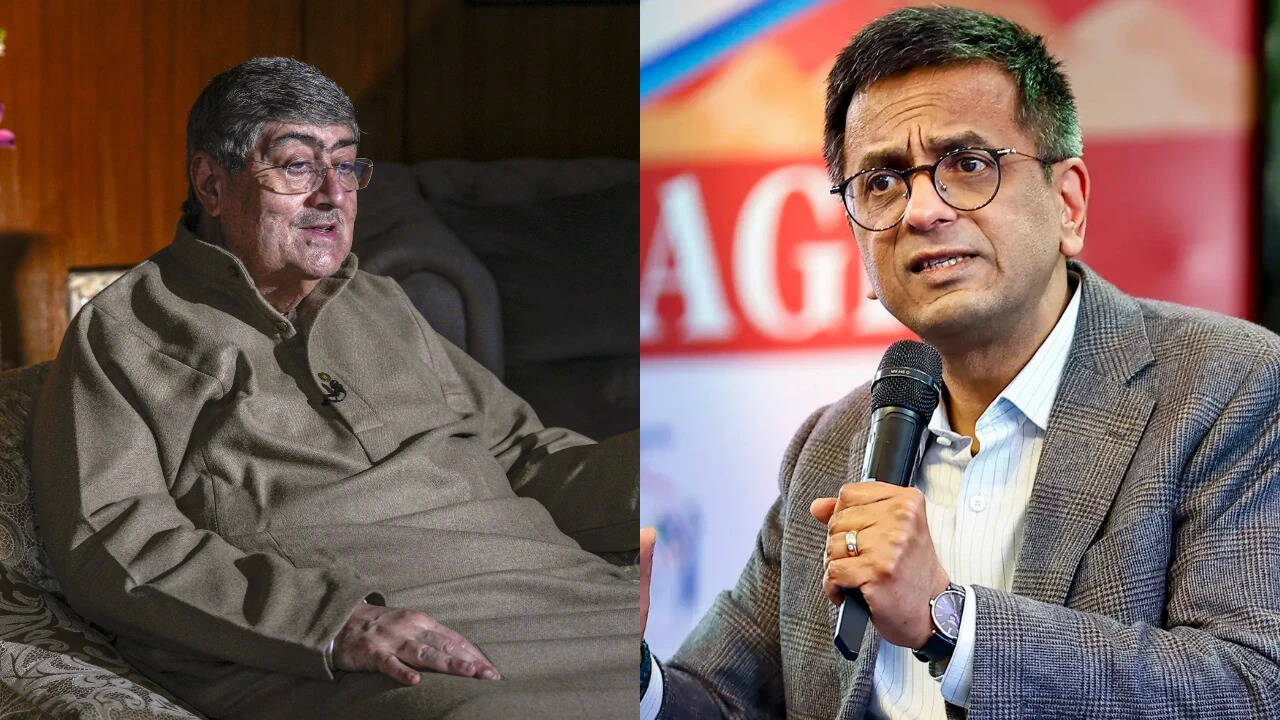
Justice Sanjay Kishan Kaul has voiced significant concerns regarding the conduct of former Chief Justice of India D Y Chandrachud during his tenure. Kaul expressed that Chandrachud was more deferential to the government than necessary, particularly in the process of judicial appointments. This criticism suggests that the former Chief Justice may have been too lenient in engaging with the executive branch, which has raised worries about the independence of the judiciary. The comments highlight ongoing debates about the balance of power between the judiciary and the government in India's democratic framework.
The issue of judicial appointments is a sensitive topic in India, as it involves the selection of judges to the higher courts, a process that is shared between the judiciary and the government. Critics argue that excessive deference to the government can undermine the judiciary's role as an independent arbiter of justice. Kaul's remarks add to the discourse on how the Chief Justice should navigate these interactions to maintain the integrity and autonomy of the judicial system. This conversation is for ensuring that the judiciary remains a check on other branches of government, protecting the rights of citizens and upholding the rule of law.
For readers in India, this debate touches on the fundamental principles of democracy and the separation of powers. The independence of the judiciary is vital for safeguarding individual rights and ensuring fair governance. Any perceived compromise in this independence can erode public trust in the legal system. As such, the comments by Justice Kaul are likely to spark further discussion among legal experts, politicians, and the general public about the future of judicial appointments and the role of the Chief Justice in maintaining institutional integrity.
Comments 0