EC refuses to give details of SIR software, cites ‘trade secrets, IPR'
The Election Commission of India refused to disclose the name of the software used for identifying errors in the electoral roll, citing trade‑secret and intellectual‑property protections. The denial came after a Telangana activist filed a Right to Information request for details about the software and its algorithms.
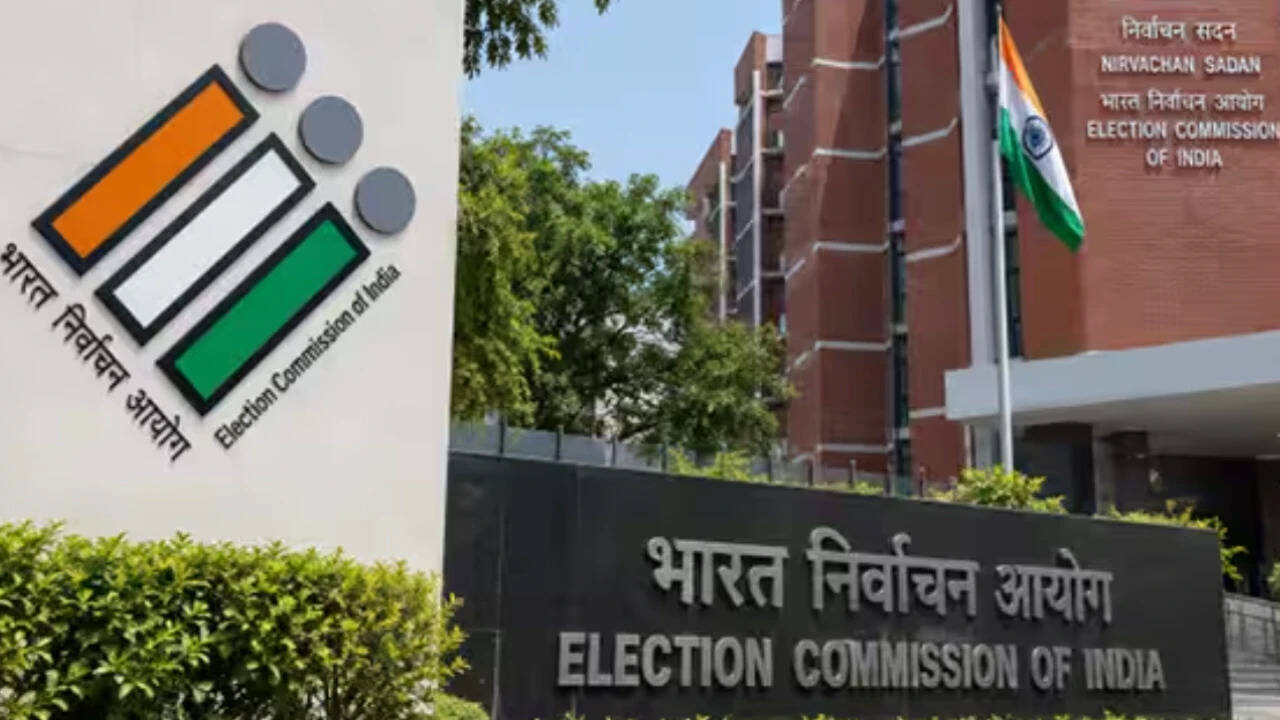
The Election Commission of India (EC) is responsible for preparing and maintaining the electoral roll, a list that determines who can vote in national and state elections. To keep the roll accurate, the commission uses a computer‑based system that scans entries for duplicate names, missing addresses, and other inconsistencies. The process is known as the System for Identifying Roll errors, or SIR, and it has been credited with reducing the number of invalid entries in recent elections. Because the roll forms the basis of democratic participation, any change to its methodology attracts public interest.
The request for information originated from a social activist based in Telangana who filed an application under the Right to Information Act, asking the EC to disclose the name of the software and the algorithms that drive the SIR system. The activist argued that knowing the technical details would allow civil society groups to assess the fairness and reliability of the roll‑cleaning process. In its reply, the commission said that the software is protected by trade secret provisions and by intellectual‑property rights, and that revealing it would compromise its security. The EC therefore denied the request, citing legal exemptions that prevent disclosure of proprietary technology.
The refusal has sparked a debate about the balance between protecting commercial information and ensuring transparency in a body that oversees the nation’s elections. Critics say that without access to the underlying code, independent auditors cannot verify whether the system introduces bias or errors that could affect voter eligibility. Supporters of the commission’s stance argue that exposing the software could enable malicious actors to exploit vulnerabilities during election periods. For readers in India, the episode highlights the limits of the RTI framework when it meets modern digital tools, and it may prompt future legal challenges aimed at opening the black box of electoral technology.
Comments 0