Fractures in the Alliance: Samajwadi Party Unilateral Seat Announcement Shakes Opposition Cohesion in Uttar Pradesh
The Samajwadi Party has unilaterally announced candidates for key assembly constituencies in Uttar Pradesh while seat-sharing negotiations were actively underway in New Delhi. This sudden maneuver exposed deep ideological and tactical fractures within the INDIA opposition block, provoking fierce public resistance from senior Congress leadership.
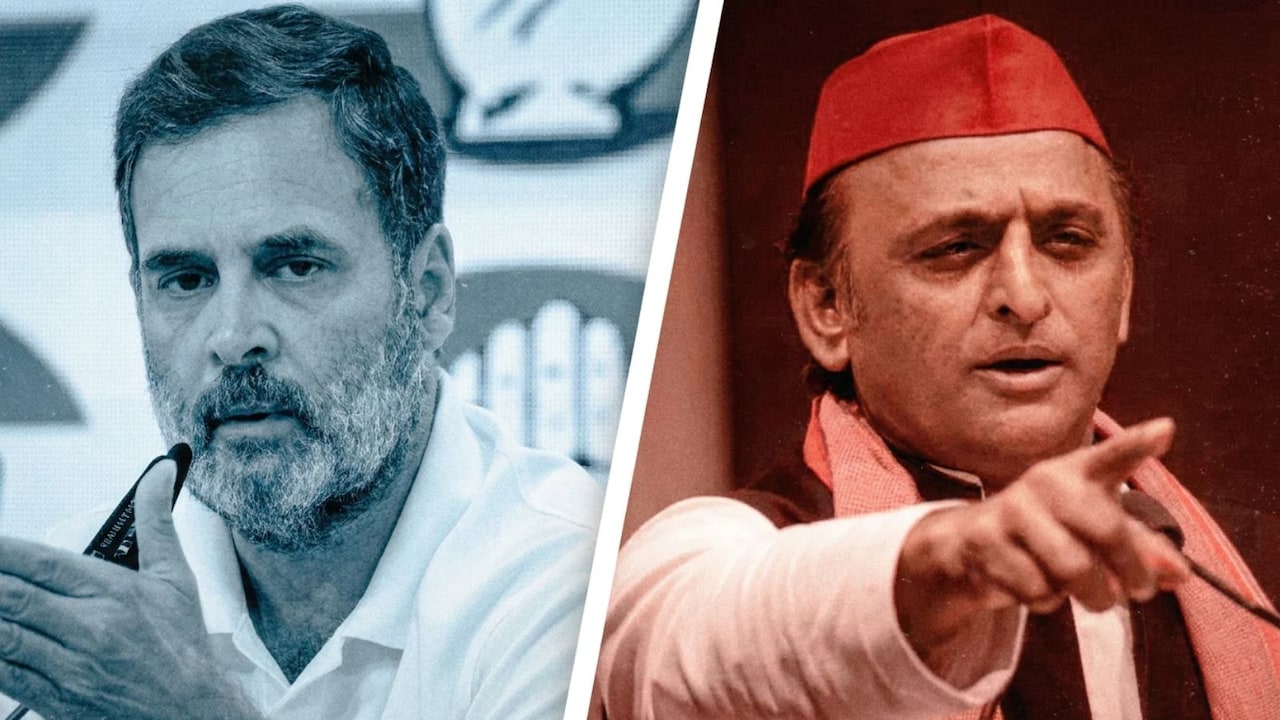
The delicate equilibrium of opposition politics in northern India fractured publicly when the Samajwadi Party released its candidate roster for vital upcoming contests across Uttar Pradesh. By issuing declarations for contested constituencies while formal negotiations were progressing behind closed doors in New Delhi, the regional party delivered a sharp tactical blow to its national partner. Representatives from the Congress party expressed immediate outrage, characterizing the move as an attempt to diminish their institutional standing and force a fait accompli before seat allocations could be mutually ratified.
Beneath this public fallout lies a prolonged dispute over political gravity and electoral weight in India's most populous state. Samajwadi Party strategists maintain that regional command must dictate campaign strategy, arguing that local cadre strength far outweighs national brand identity in state assembly battles. Conversely, Congress leaders assert that any meaningful challenge to the ruling alliance requires a balanced coalition that respects national party infrastructure. This friction has paralyzed joint strategy committees, forcing state leaders to issue public ultimatums while party workers in grassroots districts remain paralyzed without clear organizational direction.
The immediate casualty of this diplomatic breakdown is the structural unity of the anti-incumbency vote across key parliamentary and assembly corridors. Disgraced local workers now face divided loyalties, raising the prospect of triangular contests that routinely favor the incumbent party machine. Should negotiations collapse entirely, candidate duplication will fragment vote shares in rural constituencies, effectively dismantling months of coordinated grassroots campaigning. The rift signals to voters that structural rivalries within the coalition remain unresolved, threatening to undercut overall turnout among core constituent demographics.
Comments 0