Historical Rivalries Resurface in Madurai: Ancient Hilltop Monument Becomes Focal Point of Contested Religious Claims
A renewed legal and social controversy over lighting rights on the Thiruparankundram hill in Madurai has reactivated century-old disputes spanning colonial legal precedent and local communal boundaries. The conflict highlights how shared sacred geography in southern India continues to generate complex legal and heritage management challenges.
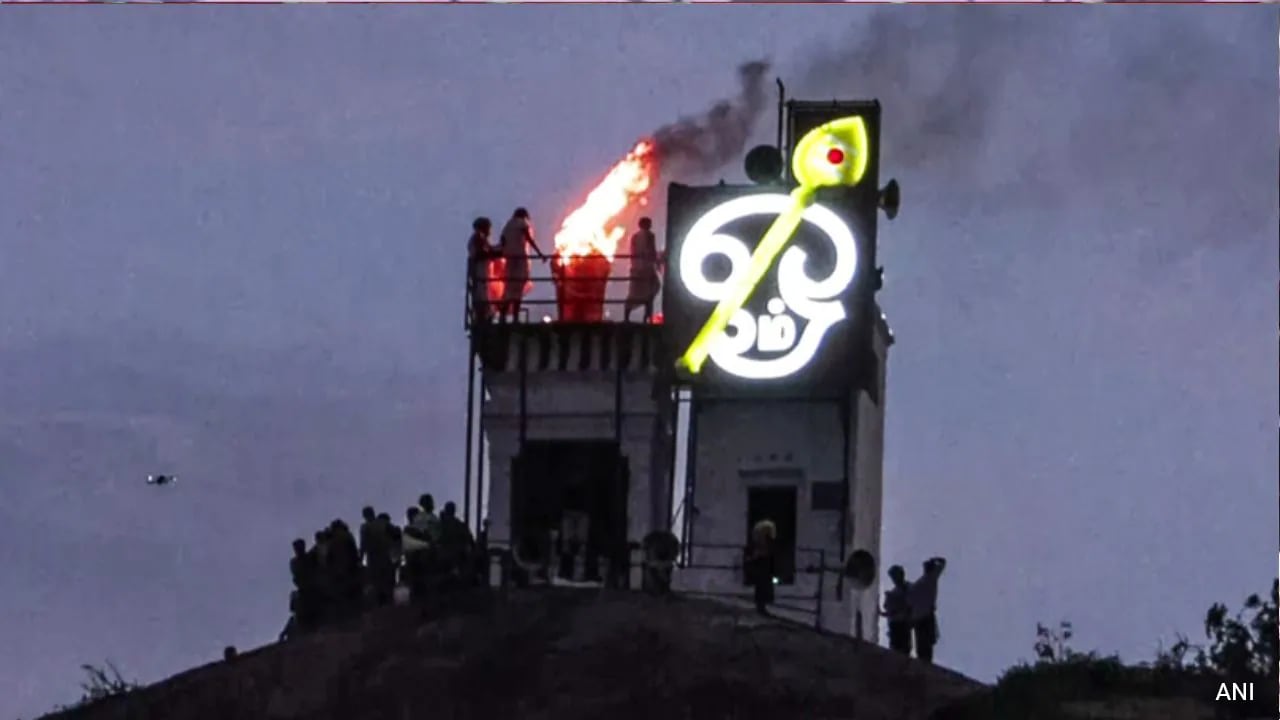
The serene elevation of Thiruparankundram hill in Madurai has once again become a focal point of intense legal and social contestation over religious rights and historical usage. The immediate flashpoint centers on conflicting claims regarding permission to light the Karthigai Deepam ceremonial lamp near historical structures that border both an ancient Hindu temple complex and an established Muslim shrine. District authorities and law enforcement agencies have established heightened security measures around the perimeter to prevent unauthorized assemblies as legal representatives cite historical records stretching back to colonial rulings.
The dispute brings into sharp relief divergent interpretations of history, property deeds, and judicial rulings issued over past generations. Representatives of the Islamic trust assert sole ownership over the upper plateau based on historical land grants and legal judgments dating back to the Privy Council in London during the early twentieth century. Conversely, Hindu petitioning groups contend that lighting the ritual lamp on the elevated pillar represents an unbroken tradition essential to regional cultural practice. State heritage officials and local administrative bodies find themselves caught between maintaining public order and navigating sacred geography.
The operational consequence of this impasse is an increasingly securitized environment around one of Madurai's most celebrated heritage sites. Local merchant communities and pilgrims report restricted access during peak festival seasons, while civil authorities deploy substantial police contingents to maintain physical boundaries. As legal arguments move through appellate courts, the controversy risks hardening communal divisions in a region historically recognized for shared cultural spaces, demonstrating how unresolved historical claims can disrupt contemporary municipal governance.
Comments 0