From micro-theatre to hip-hop tracks: Young Lucknowwallas remix the city’s sound and stage
Young artists from Lucknow are blending micro-theatre performances with hip-hop music to create a new urban sound. Their work reinterprets the city’s everyday rhythms and brings local stories to a wider audience.
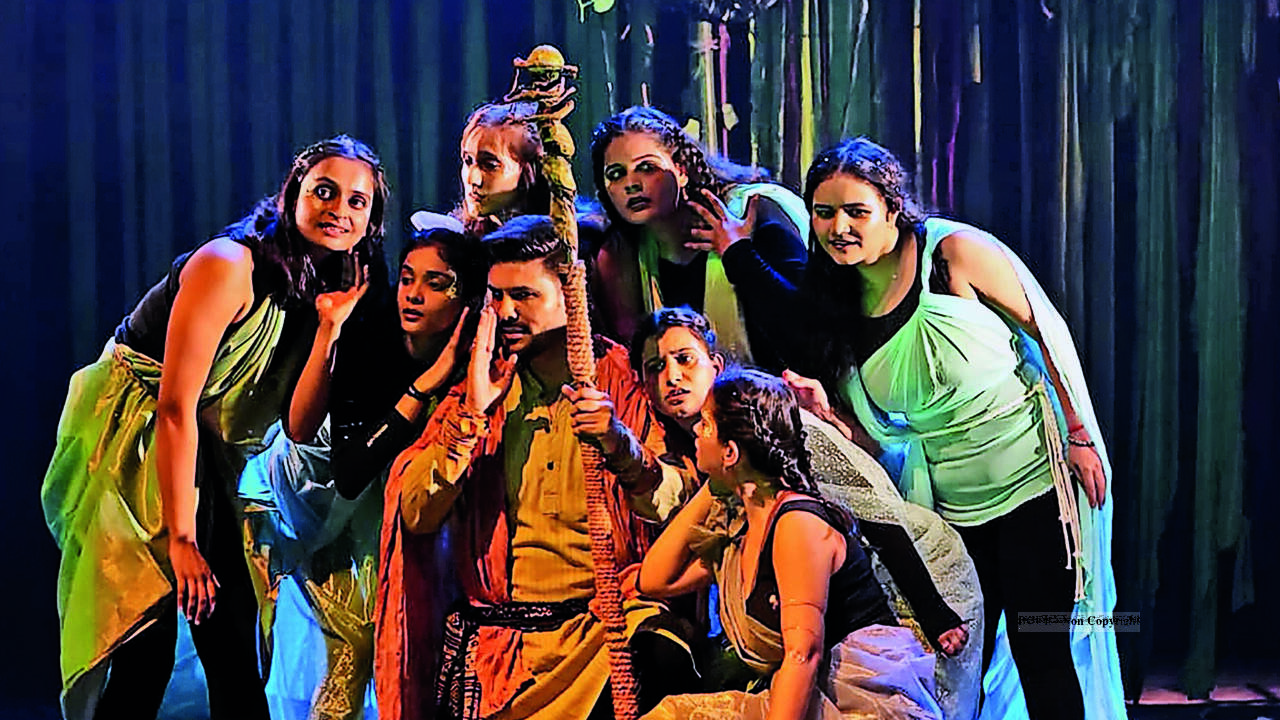
Micro-theatre, a form of intimate performance that originated in small community spaces, has found a strong following among young artists in Lucknow. These performers stage short, experimental pieces in cafés, college auditoriums and even street corners, often drawing on local folklore and contemporary social issues. The format allows them to experiment with narrative structure and audience interaction without the financial pressures of larger productions. Over the past few years, a new generation of creators has embraced this model, using it as a springboard to explore other artistic mediums.
At the same time, a wave of hip-hop musicians from the city has begun to incorporate the rhythms and dialogues of micro-theatre into their tracks. Rappers sample snippets of dialogue from stage performances, layering them over beats that blend traditional tabla patterns with modern electronic sounds. The lyrics frequently reference Lucknow’s historic neighborhoods, street food culture and the everyday challenges faced by its youth. By merging spoken-word storytelling with rap, these artists create a hybrid form that resonates with listeners who appreciate both theatrical nuance and the raw energy of hip-hop.
The combined effort has attracted attention from cultural organizers and media outlets, who see the fusion as a fresh expression of Lucknow’s evolving identity. Audiences report that the performances feel more personal, as the familiar city references bridge the gap between stage and street. Organizers plan to feature these groups at upcoming regional festivals, providing a larger platform for their work. Observers suggest that this collaboration could inspire similar experiments in other Indian cities, potentially reshaping how urban youth engage with both traditional and contemporary art forms.
Comments 0