Gadkari's 14,000-Crore Ring Road: A Strategic Pivot for Kolkata's Urban Mobility
Union Minister Nitin Gadkari has announced a 14,000-crore, 250-kilometer ring road project aimed at decongesting Kolkata's arterial roads, signaling a significant investment in the city's infrastructure. This move not only addresses immediate traffic bottlenecks but also positions Kolkata as a key node in India's broader economic and logistical network.
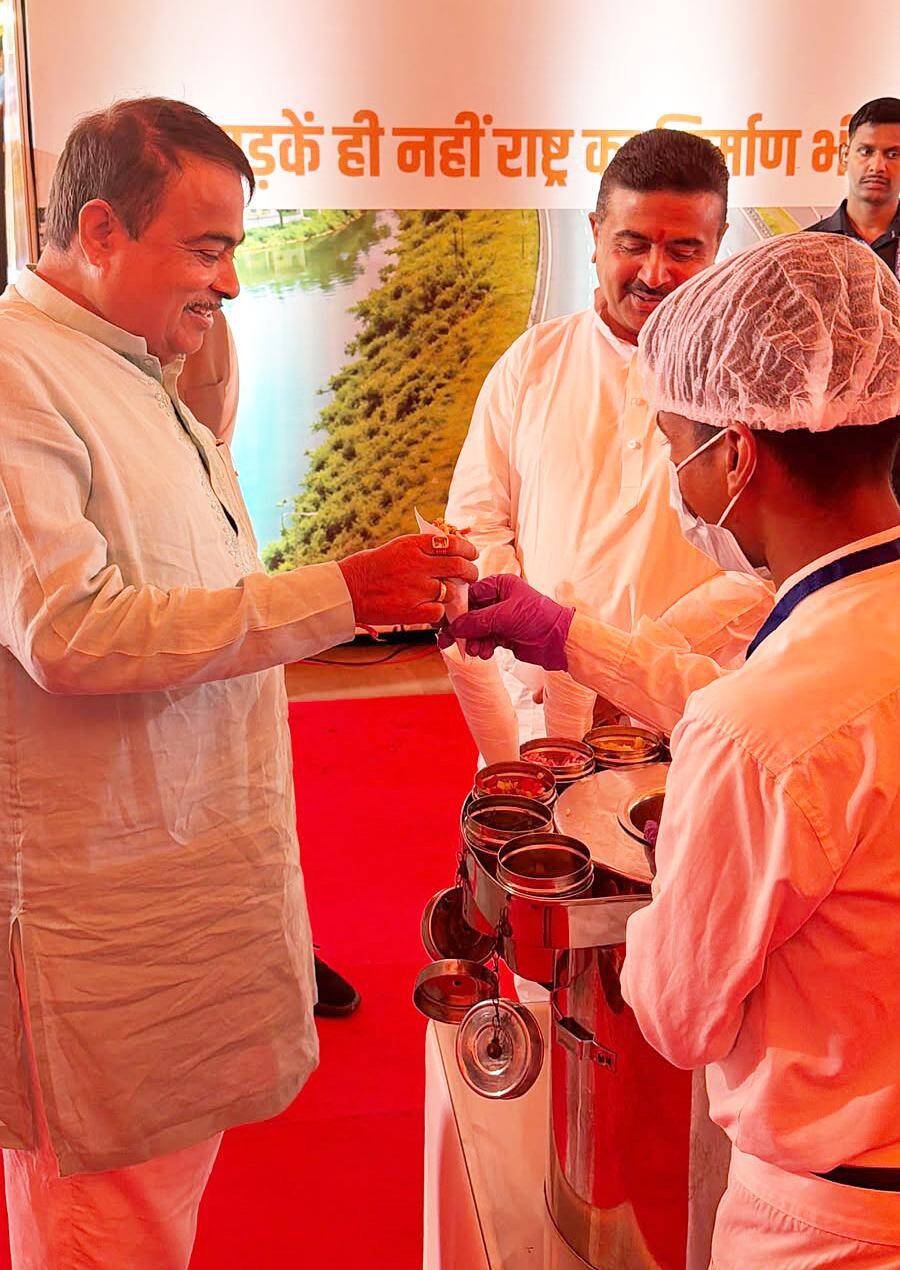
The announcement of a 14,000-crore ring road project for Kolkata represents a substantial commitment to alleviating the city's chronic traffic congestion. The 250-kilometer stretch is designed to bypass the city center, reducing the burden on existing arterial roads and improving overall mobility. This infrastructure investment is a direct response to the growing demands of Kolkata's expanding population and economic activity, aiming to streamline the flow of goods and people within the metropolitan area.
The underlying tension in this project lies in the balance between rapid urbanization and sustainable development. While the ring road promises to ease traffic, it also raises questions about land acquisition, environmental impact, and the displacement of local communities. The political dynamics surrounding the project are complex, with the central government seeking to demonstrate its commitment to regional development while navigating the sensitivities of local stakeholders. This friction highlights the challenges of implementing large-scale infrastructure projects in densely populated urban areas.
The downstream consequences of this project will be felt across Kolkata's economic and social fabric. Improved connectivity is expected to boost commercial activity, reduce commute times, and enhance the quality of life for residents. However, the tangible outcome also includes potential short-term disruptions during construction and long-term changes in urban planning. The project's success will depend on effective execution and stakeholder management, with the potential to reshape Kolkata's urban and its role in India's economic map.
Comments 0