Gaza’s Environmental Collapse: A Toxic Legacy for Generations
New scientific and satellite data reveal that Israel’s military operations in Gaza have created a 'toxic wasteland,' with widespread contamination of water and soil. The environmental damage poses a grave public health threat that will persist long after the cessation of hostilities, complicating any future reconstruction efforts.
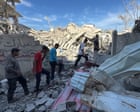
The findings from recent scientific and satellite analyses present a stark picture of environmental devastation in Gaza. The destruction of infrastructure and the use of heavy munitions have resulted in the widespread contamination of water sources and soil, creating what experts describe as a toxic wasteland. This environmental collapse is not merely a byproduct of war but a deliberate or inevitable consequence of the scale of destruction, with implications that extend far beyond the immediate conflict. The contamination of water supplies, in particular, poses a direct threat to the health of the civilian population, who are already suffering from a severe humanitarian crisis.
The underlying tension in this situation lies in the intersection of military necessity and environmental responsibility. The use of certain types of munitions, which may contain heavy metals or other hazardous substances, has led to long-term contamination that is difficult and expensive to remediate. This raises questions about the legal and ethical obligations of the parties involved in the conflict to mitigate environmental damage. The international community is now faced with the challenge of addressing this environmental legacy, which will require significant resources and technical expertise to clean up and restore the affected areas.
The downstream consequences of this environmental collapse are profound and far-reaching. The contamination of water and soil will have long-term health effects on the population, including increased rates of cancer and other diseases. This will place an additional burden on the already strained healthcare system in Gaza and will require sustained international support for medical treatment and environmental remediation. The environmental damage also complicates any future reconstruction efforts, as the land must be made safe for habitation and agriculture before rebuilding can begin. This creates a cycle of dependency on international aid and highlights the need for a comprehensive approach to post-conflict recovery that addresses both the physical and environmental dimensions of the crisis.
Comments 0