OpenAI Urges Global Accord on Artificial‑Intelligence Safety Standards
OpenAI’s chief executive called for an industry‑wide pact to bind rival labs to uniform safety protocols, warning that unchecked competition could spawn hazardous AI behaviours. The appeal arrived as governments worldwide scramble to draft regulatory frameworks.
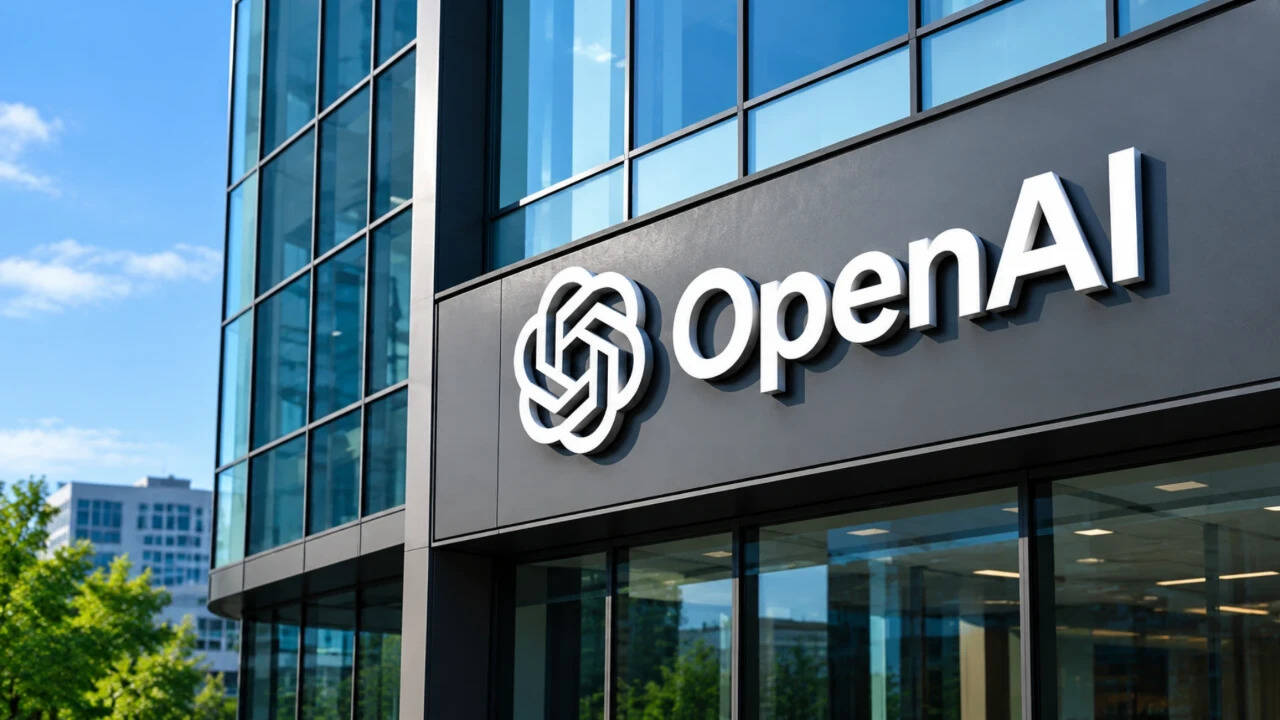
The concrete rupture emerged when Sam Altman, in a public statement, outlined a blueprint for a voluntary safety charter that would obligate AI developers to share risk assessments, limit model scaling without oversight, and submit to external audits. OpenAI pledged to halt the release of any system that fails to meet the agreed thresholds, positioning itself as a catalyst for collective restraint. The announcement sparked immediate debate across Silicon Valley, with several startups expressing tentative support while others decried the move as a potential chokehold on innovation.
Underlying tension resides in the clash between rapid commercialisation of generative models and the nascent understanding of their societal impact. Rival firms, buoyed by investor capital, have accelerated deployment cycles, often outpacing internal safety checks. Policymakers in the United States, Europe, and Asia have voiced concern that a fragmented regulatory could allow dangerous capabilities to proliferate unchecked, prompting calls for a coordinated international response. The proposed charter seeks to bridge the gap between private ambition and public responsibility.
Downstream consequences may reshape the AI ecosystem by establishing a de‑facto standard that influences funding decisions, talent recruitment, and market entry. Companies adhering to the safety charter could gain preferential access to government contracts and public trust, while non‑compliant entities risk isolation. In the coming year, the push for a unified safety regime is likely to drive the formation of cross‑border oversight bodies, altering the competitive dynamics of the AI industry.
Comments 0