Jaipur Students Win Government Prize for Patented Maze‑Solving Robot
A team of schoolchildren from Jaipur secured a one‑lakh‑rupee award after their robot, equipped with a patented navigation algorithm, successfully completed a complex maze challenge. The triumph highlighted the growing emphasis on STEM innovation in Indian classrooms.
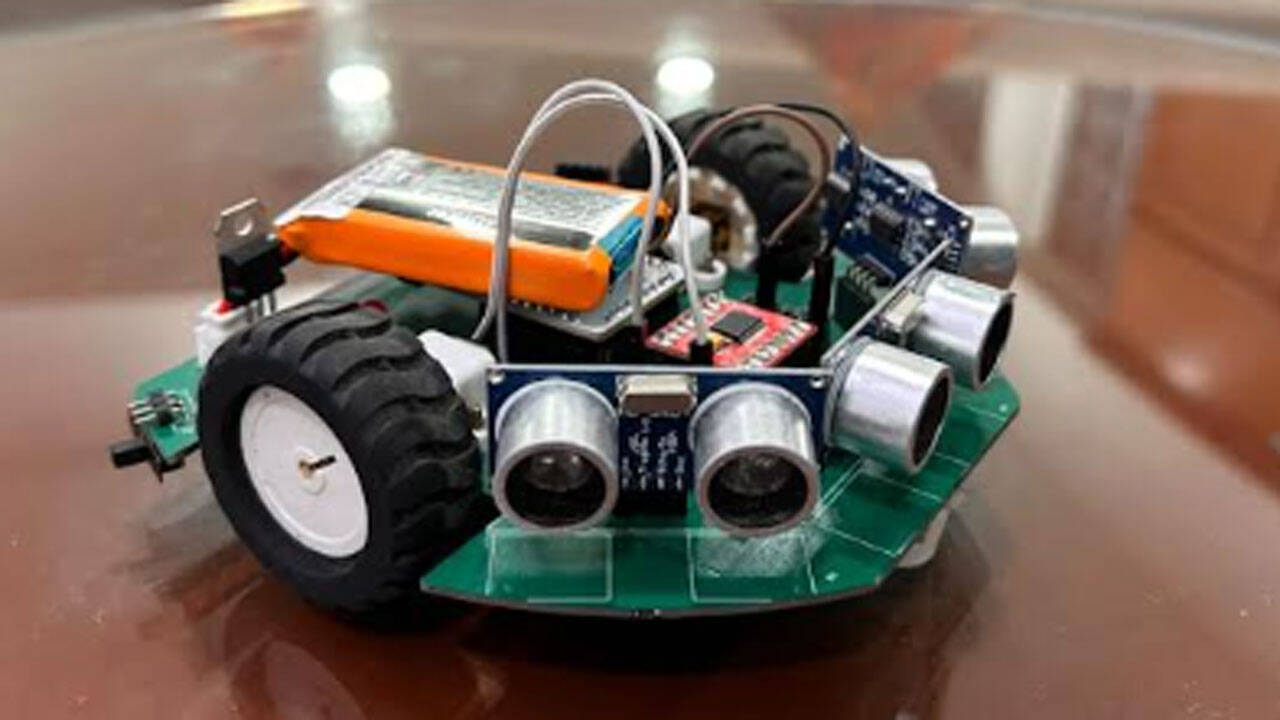
The concrete rupture materialised when the young engineers presented their robot at the state‑sponsored competition, where it navigated a labyrinthine course in under two minutes, outperforming senior university teams. The device, built from locally sourced components, employed a novel sensor‑fusion technique that allowed it to map and adapt to the maze in real time, a method now protected by a provisional patent filed with the national intellectual‑property office. The award ceremony, attended by education officials, underscored the government’s commitment to nurturing home‑grown technological talent.
Underlying tension reflects the broader challenge of scaling such ingenuity across India’s vast and varied education system. While urban schools benefit from better infrastructure and exposure to competitive events, many rural institutions lack access to laboratories and mentorship. Policymakers have introduced schemes to distribute low‑cost robotics kits, yet logistical hurdles and teacher training deficits persist, creating a disparity in opportunity that the Jaipur success story both illuminates and accentuates.
Downstream effects may include increased private‑sector interest in partnering with schools to develop curricula that integrate robotics and coding, as well as a rise in patent filings from student inventors. The visibility of the achievement could inspire other districts to allocate funds toward STEM clubs, potentially fostering a pipeline of innovators who contribute to India’s emerging technology sector. Within a year, the Ministry of Education may roll out a national competition framework modeled on the Jaipur event, aiming to replicate its outcomes across multiple states.
Comments 0