Geopolitical Realignment in the Middle East as Regional Powers Convene to Counter Militant Threats
Saudi Arabia, Turkey, and Pakistan have announced plans for high-level security consultations to address growing regional disruptions. The diplomatic initiative aims to revive defunct security pacts in response to persistent threats against international trade.
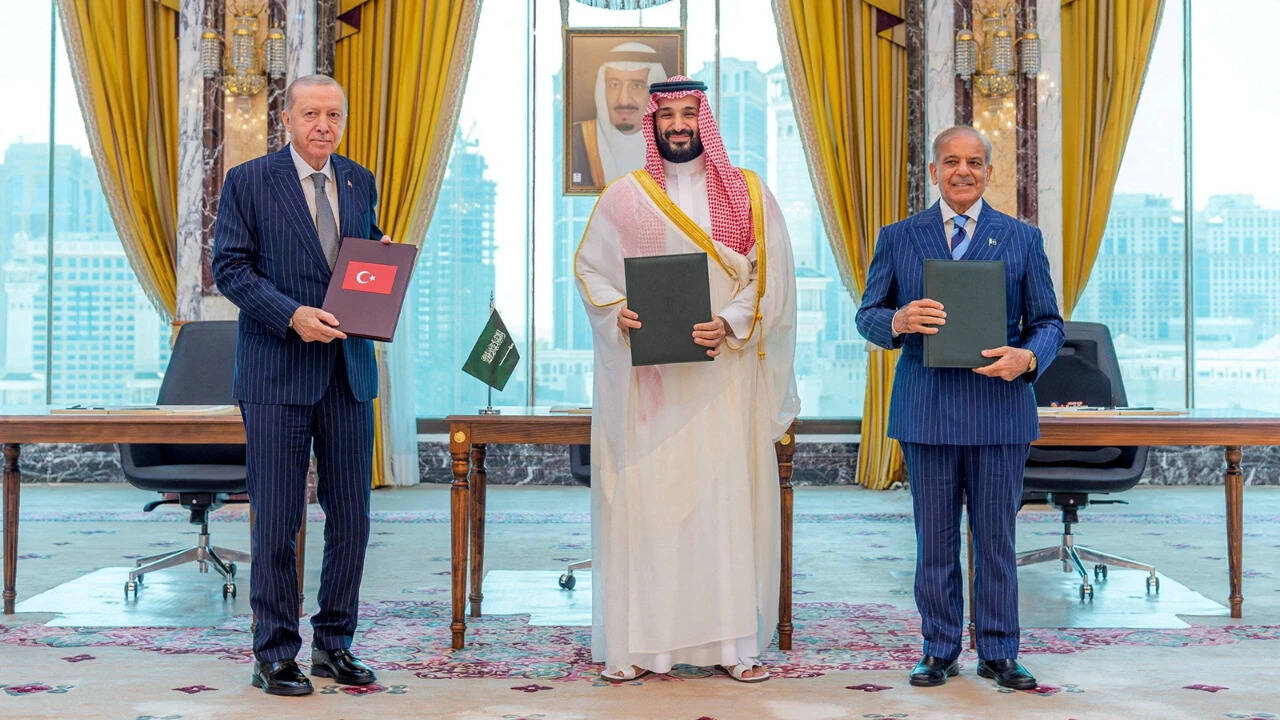
In a significant diplomatic maneuver, foreign ministers from Saudi Arabia, Turkey, and Pakistan finalized arrangements for an urgent security summit during discussions in New York. The proposed meetings seek to breathe new life into older regional security frameworks, specifically addressing maritime and territorial threats posed by militant factions disrupting commerce. This trilateral coordination represents a notable shift toward regional security self-reliance amid shifting superpower priorities. The underlying catalyst for this alignment is the mounting economic toll exacted by unchecked proxy aggression along vital trade vectors. Riyadh and Ankara find themselves sharing acute vulnerabilities regarding the security of regional supply lines and energy infrastructure. By incorporating Islamabad into a high-level defense consultation format, the coalition seeks to leverage Pakistan's military expertise and geopolitical positioning to project stability across troubled zones. The immediate consequence is a hardening of defensive postures and the potential establishment of joint naval patrol protocols in the western Indian Ocean and adjacent waters. Smaller state actors in the region will be forced to align their foreign policies with this emerging security bloc, altering traditional diplomatic balances. Over the next year, this defense architecture will likely formalize into permanent intelligence-sharing mechanisms.
Comments 0