Geopolitical Redirection: The Strategic Imperative of the India-Middle East-Europe Economic Corridor
At the United Nations General Assembly, high-level diplomatic alignment coalesced around alternative trade infrastructure designed to bypass traditional Middle Eastern maritime bottlenecks. The proposed trade route positions New Delhi at the physical and economic center of a massive transcontinental logistics network.
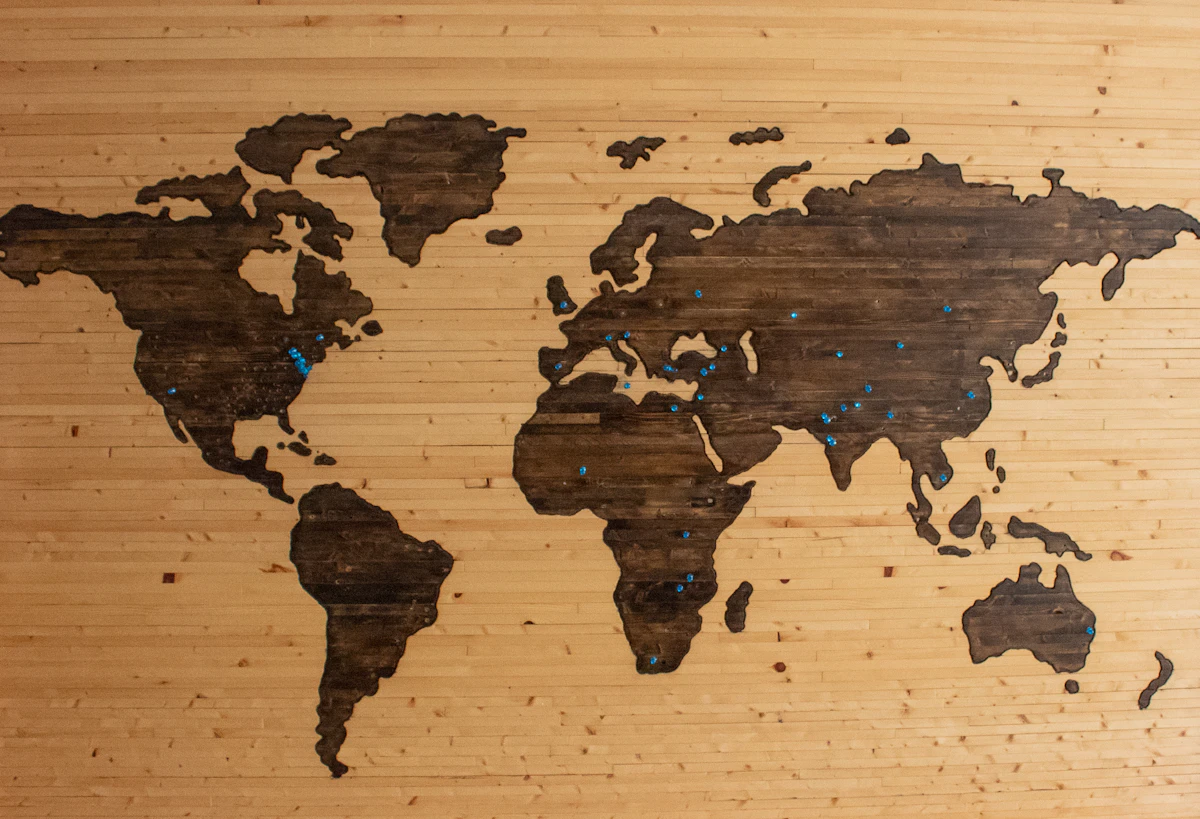
The articulation of the India-Middle East-Europe Economic Corridor during high-level diplomatic sessions signals a definitive shift in international trade architecture. By seeking to circumvent vulnerable maritime choke points controlled by geopolitical adversaries, major economies aim to secure uninterrupted supply chains from the Indian subcontinent through the Arabian Peninsula and into European markets. This ambitious engineering and logistical vision converts historical trade routes into modern, high-speed rail and shipping corridors, effectively integrating disparate regional economies into a unified commercial block. Institutional friction remains high as traditional energy suppliers and regional powers contest the shifting balance of commercial gravity. Nations heavily reliant on legacy shipping lanes view the alternative route as a direct challenge to their strategic leverage, generating intense diplomatic pushback behind closed doors. Furthermore, financing the massive infrastructure required across multiple sovereign territories demands unprecedented coordination among multilateral development banks and private capital syndicates, each navigating complex local regulatory frameworks and territorial disputes. The immediate consequence of this grand strategy is the marginalization of traditional transit hubs that fail to adapt to the new logistical paradigm. South Asian export economies stand to gain significantly reduced transit times and lower freight costs, insulating their manufacturing sectors from regional conflicts. Over the coming quarters, capital expenditure will aggressively pivot toward port modernization and rail connectivity projects along the designated path, permanently altering the map of global commerce.
Comments 0