Strategic Reconfiguration of Global Trade Routes Gains Momentum via Transit Corridor Support
Washington has reiterated backing for the India-Middle East-Europe Economic Corridor to bypass strategic maritime choke points dominated by hostile actors. The proposal alters Eurasian supply chains while redirecting sovereign infrastructure investments toward non-Iranian transit networks.
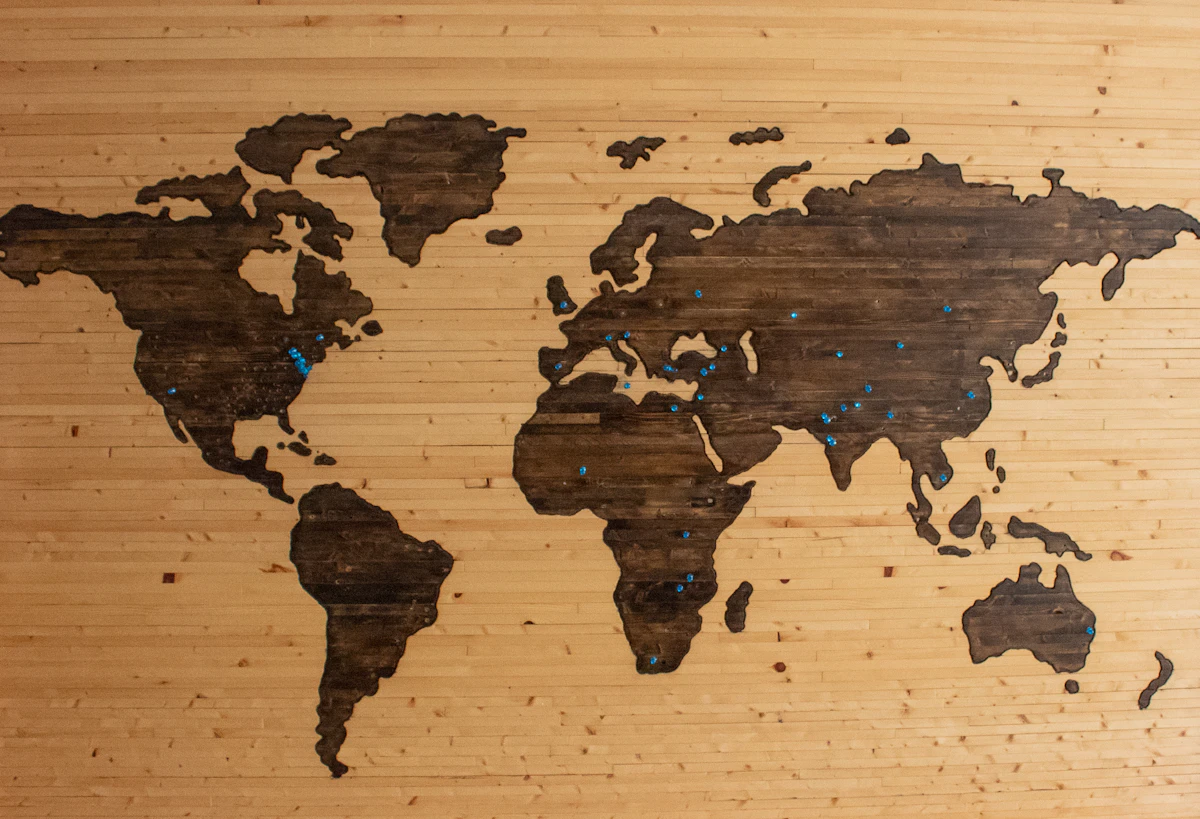
Diplomatic statements at the United Nations General Assembly have reinvigorated momentum for the India-Middle East-Europe Economic Corridor, framing it as a vital counterweight to regional maritime vulnerability. The policy explicitly prioritizes bypass routes that circumvent Iranian territorial waters and vulnerable trade passages, signaling a firm realignment of Western and South Asian economic strategy. The underlying tension stems from competing regional trade initiatives and severe geopolitical friction surrounding maritime sovereignty in the Persian Gulf and Red Sea. Existing maritime freight models remain exposed to non-state disruptions and sovereign blockades, forcing Western and allied Asian economies to underwrite alternative rail, port, and energy links. Primary beneficiaries include Gulf port operators and Indian infrastructure conglomerates tasked with building multi-modal freight networks. Iranian transshipment hubs lose strategic leverage, while Western shipping lines face significant long-term adjustments in route economics and maritime insurance tariffs.
Comments 0