Godavari and Krishna Rivers Hit by 1,600% Surge in Faecal Contamination
Recent testing shows a 1,600% increase in faecal pollution in two major Indian rivers, threatening public health and undermining water‑safety standards. The spike has prompted state authorities to launch emergency remediation plans and stricter enforcement of industrial discharge norms.
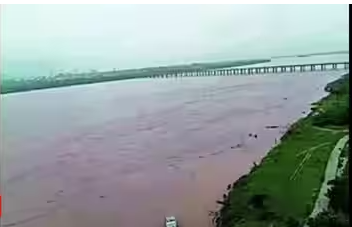
The Godavari and Krishna rivers have long been lifelines for millions of Indians, supporting agriculture, fisheries, and drinking water supplies. Historically, the rivers have suffered from industrial effluents and untreated sewage, but recent measurements reveal a 1,600% jump in faecal coliform levels, a figure that exceeds national safety thresholds by a wide margin.
The spike is attributed to unchecked discharge from textile mills, dairy farms, and municipal sewage systems that lack adequate treatment. Health officials warn that such contamination can spread waterborne diseases, compromise irrigation water quality, and harm aquatic ecosystems. The sudden rise has prompted a public health alert in several districts along the riverbanks.
In response, state authorities have announced emergency remediation plans, including the installation of new wastewater treatment plants and stricter enforcement of discharge permits. The government also plans to launch a public awareness campaign on hygiene and water safety. Long‑term, the contamination crisis could accelerate investment in green infrastructure and compel industries to adopt cleaner production methods.
Comments 0