Goldman Sachs Warns: The US Housing Market Faces a Deeper Slump
Goldman Sachs has issued a stark warning that the US housing market, already stagnant with flat transactions and high mortgage rates, is poised for a further deterioration. This forecast suggests a prolonged period of economic strain for homeowners and developers, with potential ripple effects on the broader financial system.
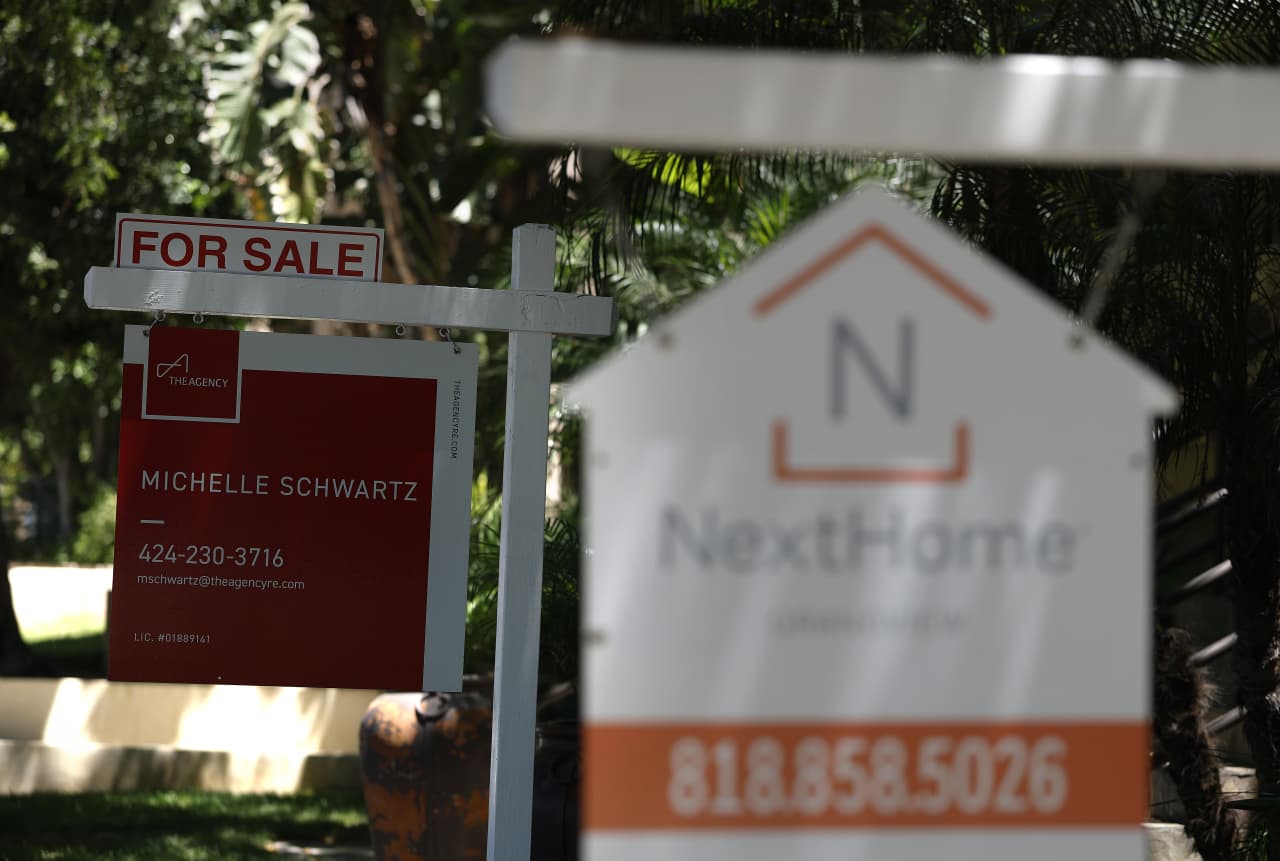
The concrete rupture in the US housing market is characterized by a persistent stagnation, with home starts and transactions remaining flat for the past three years. The high mortgage rates, hovering above 7%, have effectively frozen the market, making it difficult for potential buyers to enter and for existing homeowners to sell. Goldman Sachs' latest analysis indicates that this situation is likely to worsen, with the firm predicting a further decline in housing activity. The warning comes at a time when the real estate sector is a significant driver of the US economy, and its continued weakness poses a serious threat to overall economic growth.
The underlying tension in the housing market is driven by the interplay of monetary policy, inflation, and consumer confidence. The Federal Reserve's efforts to combat inflation have kept interest rates high, which in turn has increased the cost of borrowing for mortgages. This has led to a sharp drop in demand, as potential buyers are priced out of the market. Additionally, the high cost of living and uncertainty about future economic conditions have further dampened consumer confidence, leading to a reluctance to make large financial commitments such as home purchases. The institutional friction between the need to control inflation and the desire to support economic growth has created a difficult environment for the housing sector.
The downstream casualties of this market slump will be felt across various sectors, including construction, finance, and retail. Developers may face increased financial stress as they struggle to sell new homes, leading to potential layoffs and project delays. Banks and other financial institutions may see a rise in mortgage defaults, impacting their profitability and stability. The broader economy may experience a slowdown as consumer spending on housing-related goods and services declines. The tangible outcome of this trend will be a prolonged period of economic adjustment, with significant implications for the US financial system and the global economy.
Comments 0