US Homebuilder Confidence Plunges to 14-Year Low Amid Rising Costs
Confidence among US homebuilders has fallen to its lowest level in 14 years, driven by rising mortgage rates and a lack of buyers. This decline signals a significant slowdown in the housing market, with potential ripple effects on the broader economy.
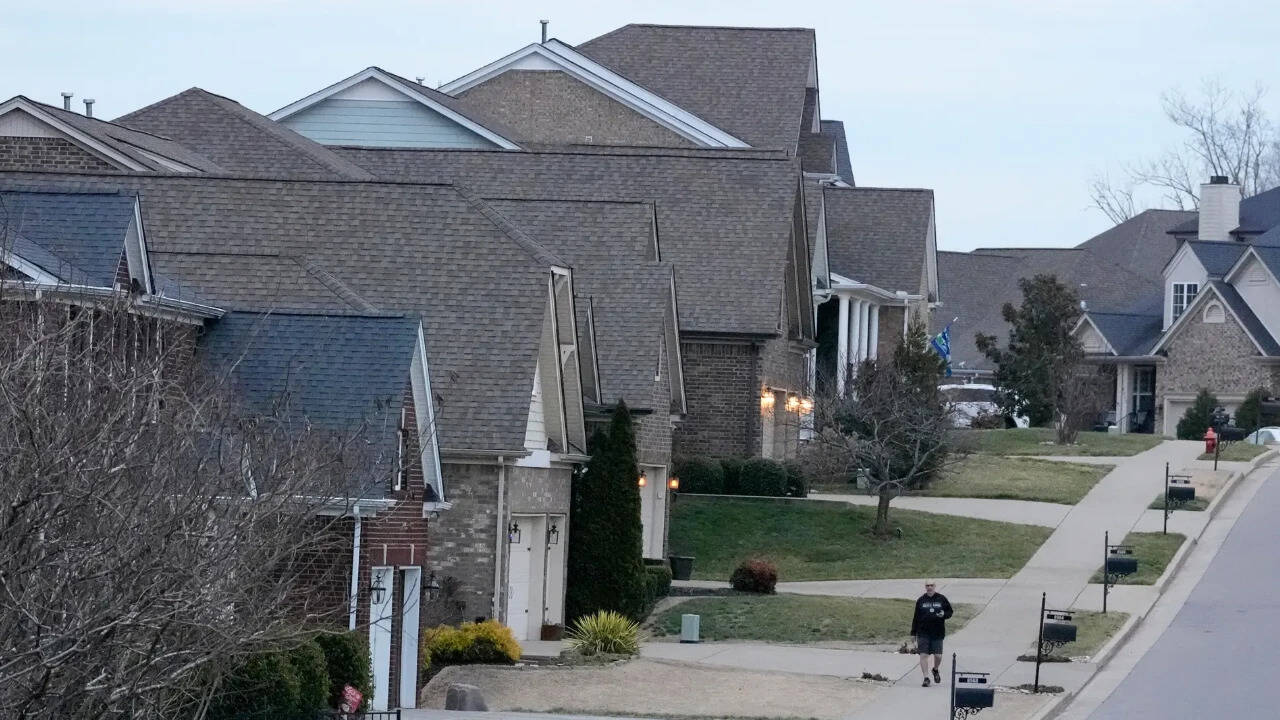
The US housing market is facing a severe downturn, with homebuilder confidence dropping to a 14-year low. This sharp decline is attributed to a combination of rising mortgage rates and a persistent lack of buyers, which has left developers with unsold inventory and reduced profitability. The index, which tracks the sentiment of homebuilders, has fallen to its lowest level since 2012, indicating a deepening pessimism about the future of the sector. This is a significant development, as the housing market is a key driver of economic growth, and its weakness could have far-reaching consequences for the broader economy.
The underlying tension in this crisis is the conflict between the Federal Reserve's monetary policy and the affordability of housing. The central bank's efforts to combat inflation have led to higher interest rates, which in turn have made mortgages more expensive and less accessible to potential buyers. This has created a situation where homebuilders are producing homes that they cannot sell, leading to a buildup of inventory and a decline in prices. The institutional friction between the Fed's mandate to control inflation and the need to support economic growth is evident in this outcome, and it is likely to continue to shape the housing market in the coming months.
The downstream consequences of this decline are likely to be significant for the US economy. The tangible outcome is a reduction in construction activity, which will lead to job losses in the sector and a slowdown in related industries such as materials and finance. The long-term impact will be a more cautious approach to housing investment, with developers and buyers alike waiting for signs of stabilization in the market. This could lead to a prolonged period of low growth in the housing sector, which will have a negative impact on the overall economy. The incident will also serve as a test of the Fed's ability to balance its competing mandates, and its response will be closely watched by investors and policymakers alike.
Comments 0