Government Defers Merchant Discount Rate on High‑Value UPI Payments Until After Diwali
India's finance ministry announced a postponement of the MDR on UPI transactions above Rs 2,000, shifting the launch from mid‑October to the post‑Diwali period. The move seeks to shield merchants and consumers from abrupt cost spikes during the festive shopping season.
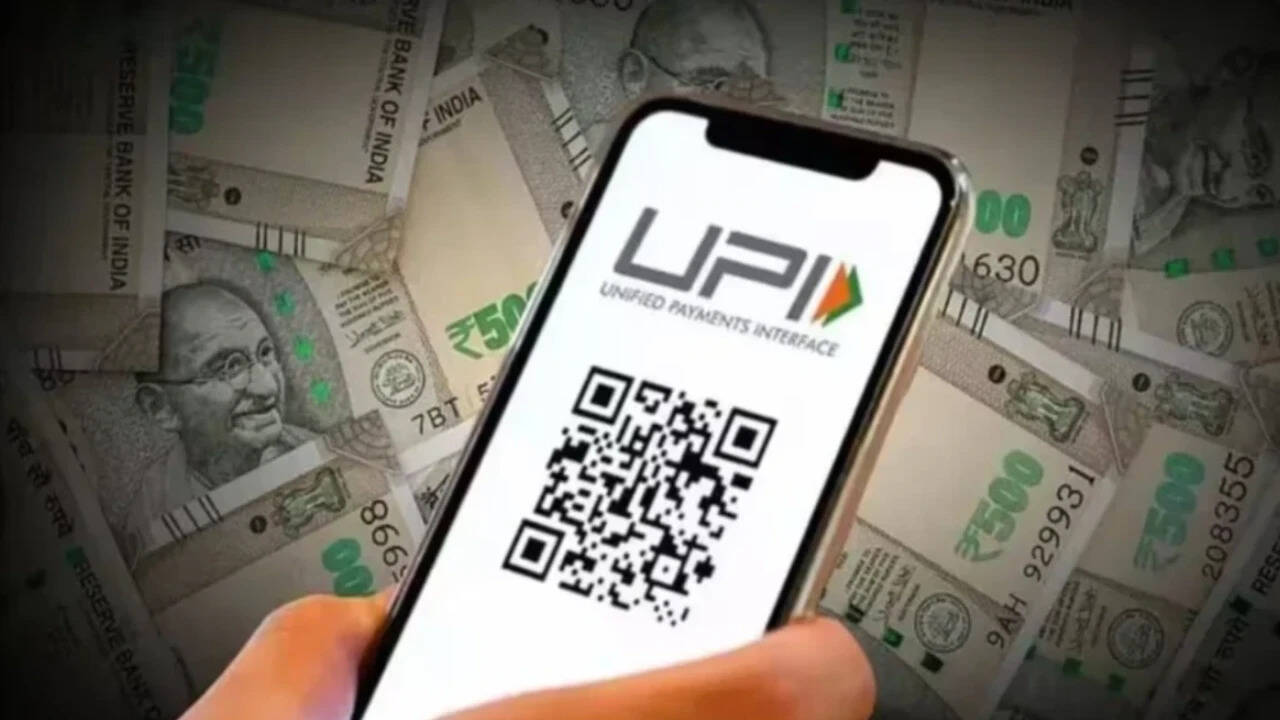
The concrete rupture in the digital payments ecosystem appeared when the ministry issued an official circular stating that the Merchant Discount Rate, slated to apply to all UPI transfers exceeding Rs 2,000, would be deferred until after the Diwali celebrations. The original timetable targeted an October 15 rollout, but officials argued that the timing conflicted with a period of heightened consumer spending and could strain small traders accustomed to zero‑cost transactions.
Underlying tension revolves around the balance between the government's revenue aspirations and the fintech sector's rapid growth. While the MDR promises a new stream of income for banks and payment aggregators, merchants have warned that a sudden levy could erode profit margins, especially for low‑value goods sold in bulk. The decision reflects a negotiation between fiscal policy makers and industry lobbyists, each vying to shape the regulatory environment that will govern India's burgeoning cashless economy.
The downstream consequences of the delay are already manifesting: merchants report a temporary relief that may translate into steadier sales volumes, while payment processors anticipate a compressed window to adjust pricing models. In the longer term, the postponement could set a precedent for phased implementation of financial reforms, encouraging policymakers to align regulatory changes with cultural calendars to minimise market disruption.
Comments 0