Goyal Signals Preferential Access in India-US Trade Framework
Commerce Minister Piyush Goyal has confirmed that preferential trade access has already been agreed upon within the broader India-US commercial dialogue. This development marks a decisive shift in bilateral economic strategy, moving beyond tariff negotiations to structural market integration.
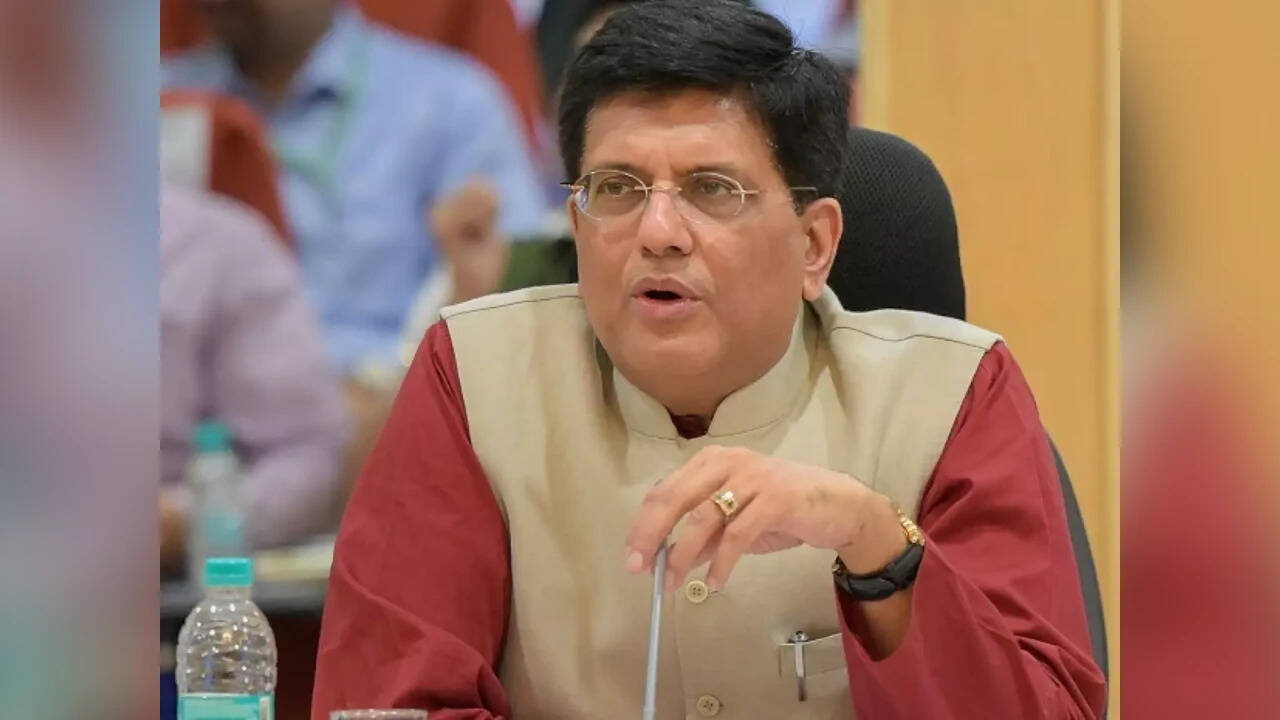
The announcement by Piyush Goyal represents a concrete rupture in the long-standing friction between New Delhi and Washington regarding market access. By stating that preferential access is already agreed, the government signals that the foundational architecture for a new trade compact is no longer theoretical but operational. This move bypasses the usual protracted legislative debates and places the onus on implementation, suggesting that the political will to secure American markets for Indian goods has reached a critical threshold.
The underlying tension in this negotiation has always centered on the asymmetry of economic power and the specific demands of American industries for reciprocal concessions. Institutional friction between the Department of Commerce and the US Trade Representative has been a constant feature of these talks, with each side testing the other's limits on agricultural subsidies, digital taxation, and intellectual property rights. Goyal's statement implies that these sticking points have been either resolved or deliberately set aside in favor of a broader strategic alignment, a move that reflects the changing geopolitical calculus in the Indo-Pacific region.
The downstream consequences of this agreement will be felt most acutely by Indian exporters and American consumers alike. For Indian manufacturers, particularly in textiles, pharmaceuticals, and engineering goods, the removal of non-tariff barriers could unlock significant revenue streams that were previously stifled by complex regulatory hurdles. Conversely, American businesses may face increased competition from lower-cost Indian alternatives, potentially reshaping supply chains and forcing domestic producers to innovate or consolidate. The tangible outcome is a recalibration of global trade flows that favors a multipolar economic order.
Comments 0