Greenpeace's Boulder Blockade: A Physical Disruption to the North Sea Wind Farm Pipeline
Activists have dumped boulders off the Norfolk coast to obstruct the construction of a £12 billion offshore wind farm, citing opposition to seabed trawling. This direct action introduces a new layer of physical risk to renewable energy projects, potentially delaying timelines and increasing costs for the UK's green transition.
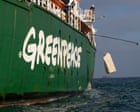
The deployment of boulders by Greenpeace activists off the Norfolk coast represents a significant escalation in the tactics used to oppose offshore wind farm development. By physically obstructing the site of the Burnham-backed project, the activists have introduced a tangible barrier to construction, moving beyond symbolic protests to direct interference with industrial operations. This action targets the £12 billion investment, which is a cornerstone of the UK's strategy to meet its climate targets. The immediate impact is a halt to construction activities, forcing developers to engage in costly and time-consuming legal and logistical battles to clear the site.
The underlying tension is between the urgent need for renewable energy infrastructure and the environmental concerns of local fishing communities and activists. The opposition to seabed trawling highlights the conflict between industrial-scale energy production and the preservation of marine ecosystems. The institutional friction is evident in the legal and regulatory frameworks that must balance these competing interests. Developers face the challenge of securing permits and maintaining public support while dealing with direct physical disruptions that can derail project timelines and inflate costs.
The downstream consequences of this blockade are significant for the UK's energy transition. Delays in the construction of offshore wind farms can lead to a shortfall in renewable energy capacity, potentially forcing a continued reliance on fossil fuels. The increased costs associated with security and legal challenges may be passed on to consumers, making green energy less competitive. The tangible outcome is a precedent for physical disruption in environmental activism, which could embolden other groups to adopt similar tactics, thereby increasing the risk and cost of all major infrastructure projects in the UK.
Comments 0