Gujarat High Court Grants Ten-Year Passport Renewal Amid Ongoing CBI Proceedings
The Gujarat High Court sets a notable legal precedent by permitting a decade-long passport renewal for an individual facing active Central Bureau of Investigation proceedings; the ruling balances personal mobility rights against ongoing criminal investigations.
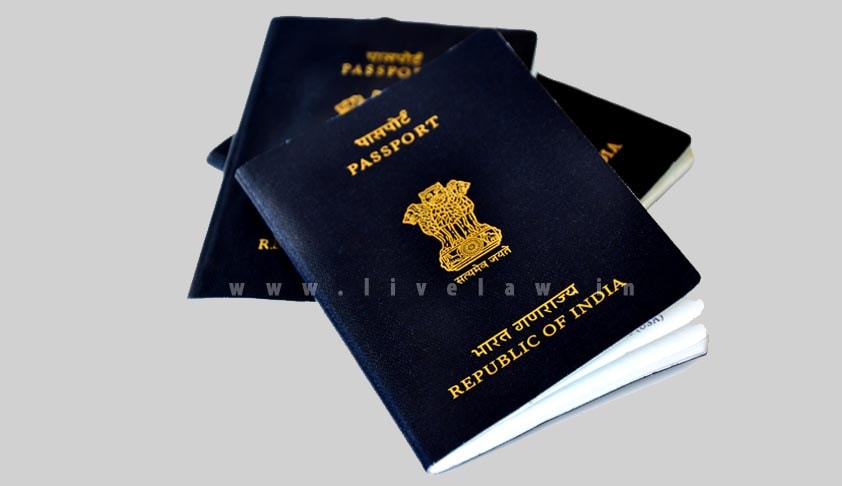
In a significant decision regarding the fundamental right to travel, the Gujarat High Court has ruled in favor of granting a full ten-year passport renewal to a petitioner currently entangled in a Central Bureau of Investigation case. Traditionally, courts and passport authorities restrict travel documents for individuals facing criminal prosecution, often issuing short-term passports valid for only a few months or a single year to ensure compliance with judicial summons. By extending this duration to a decade, the court signaled a departure from blanket restrictions, emphasizing that pending litigation should not indefinitely curtail personal liberty without specific evidence of flight risk.
The judgment navigates the delicate equilibrium between personal freedom and state prosecutorial interests, requiring petitioners to furnish adequate sureties and secure explicit judicial permission before leaving the country. Legal practitioners note that this decision provides much-needed relief to individuals whose trials are prolonged by systemic delays in the judicial process, preventing administrative penalties from serving as premature punishments. However, the ruling also places a heavier monitoring burden on investigative agencies, who must actively track accused individuals over extended periods without relying on passport expiration dates as natural containment mechanisms.
This precedent is expected to influence similar passport litigation across various high courts, offering a standardized framework for individuals seeking travel freedoms during protracted legal battles. While prosecutors may voice concern over potential evasion risks, the judiciary has reinforced the constitutional principle that presumption of innocence must coexist with administrative normalcy until a final verdict is reached. The tangible outcome is a more humane approach to personal mobility within the bounds of strict judicial oversight.
Comments 0