Sunil Mittal Outlines Indian Telecom Strategy for 2030 Sixth Generation Networks
Telecom leader Sunil Mittal announced that India is positioning itself for a commercial sixth-generation network rollout by the year 2030. The upcoming infrastructure will function as an advanced sensing network driven by cognitive intelligence.
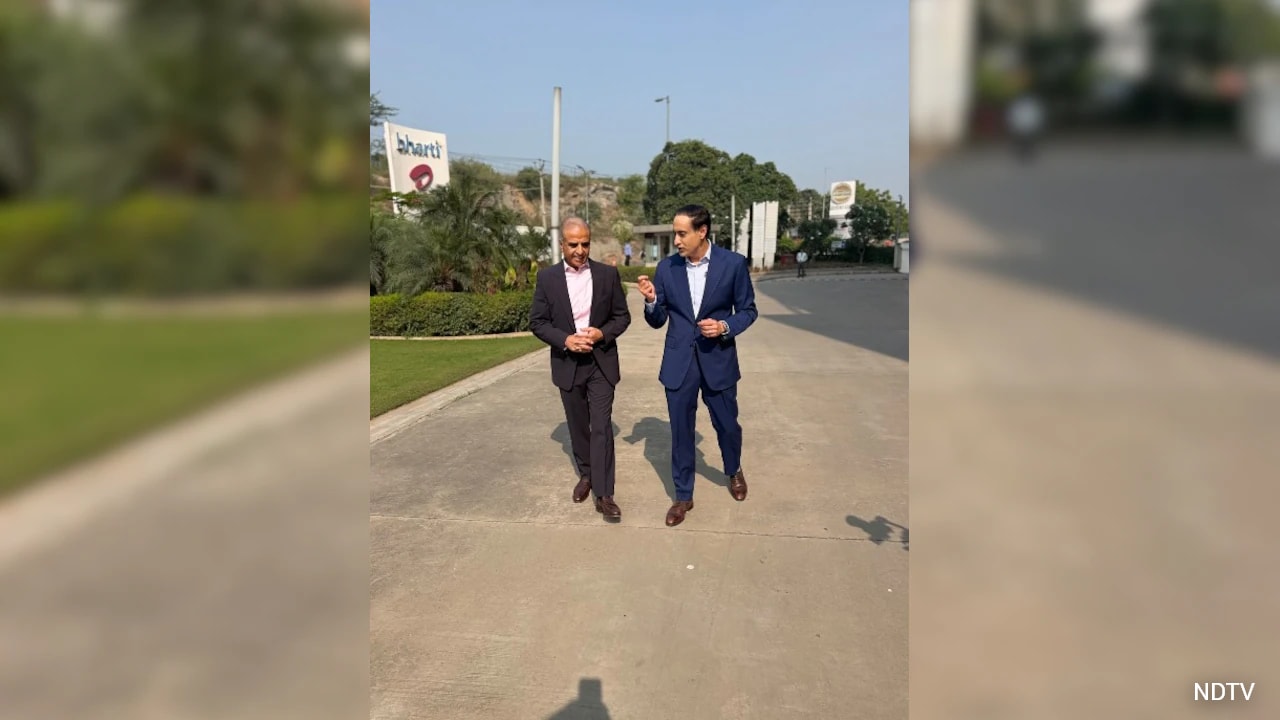
The evolution of digital connectivity is shifting rapidly toward infrastructure that combines ultra-fast data transfer with environmental awareness. Speaking publicly on future technological horizons, industry leader Sunil Mittal detailed the trajectory of cellular progression beyond fifth-generation systems. The envisioned architecture relies upon untapped radio frequencies and artificial intelligence integration to create networks capable of perceiving physical surroundings while transmitting information at unprecedented velocities.
India has traditionally been a consumer of foreign telecommunications standards, but domestic industry stakeholders are attempting to position the nation as a core contributor to upcoming global protocols. The development of cognitive networks requires massive capital allocation, regulatory alignment, and domestic manufacturing capabilities for specialized semiconductor components. Government policymakers and private conglomerates are currently evaluating spectrum allocation strategies to ensure that the domestic market avoids the deployment delays that characterized earlier generational transitions.
The strategic outcome of this technological shift will determine whether domestic enterprises capture high-value intellectual property or remain dependent on foreign infrastructure vendors. A successful commercial rollout by the end of the decade will transform industrial automation, urban transport grids, and defense communications. Conversely, failure to secure spectrum and research partnerships early risks leaving the national digital economy trailing behind global competitors.
Comments 0