Gurugram Hit-and-Run Incident Exposes Urban Safety Deficits and Roadway Lawlessness
A high-profile hit-and-run incident involving a prominent motorcyclist in Gurugram has triggered intense public outrage and scrutiny of urban policing. The case highlights systemic failures in traffic enforcement and the persistent danger posed by reckless driving on metropolitan corridors.
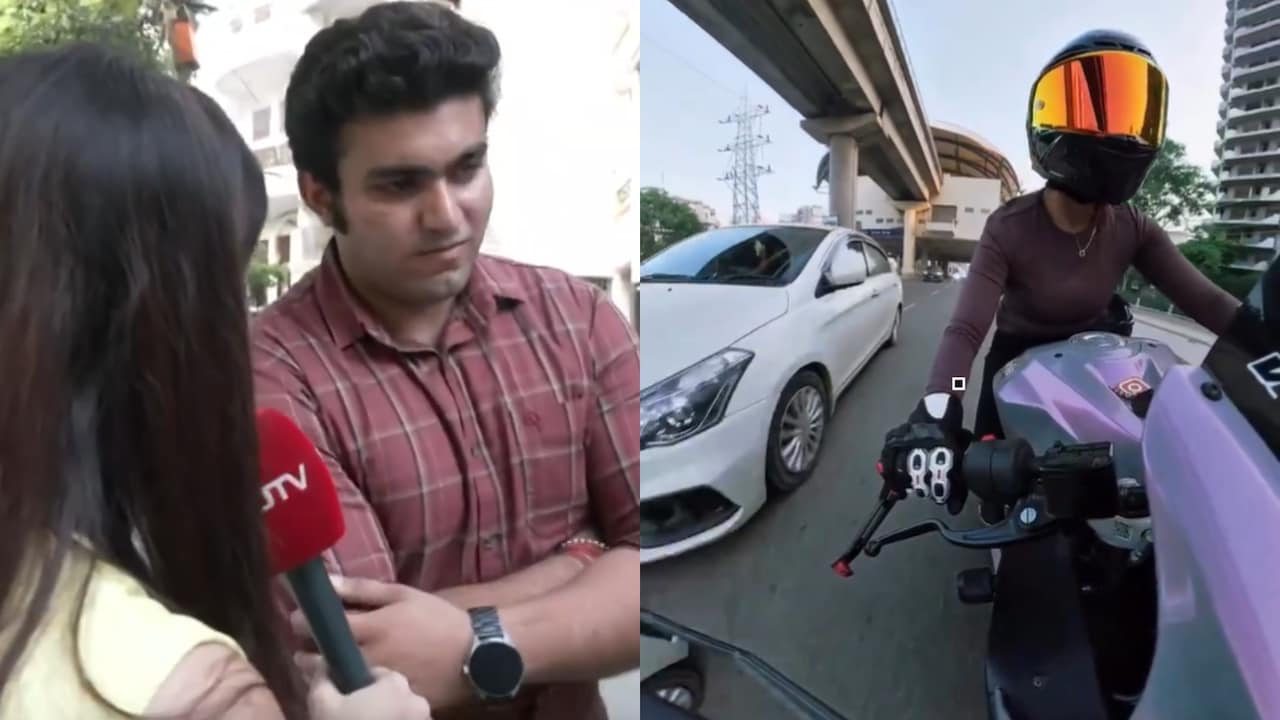
Rapid urbanization across India's metropolitan peripheries has routinely outpaced the development of effective traffic management and roadway safety infrastructure. The recent collision involving social media personality Sia Kalyan Bainsla, widely known as Rebel Wheels Sia, and a trailing sedan in Gurugram illustrates the perilous conditions faced by motorists on major thoroughfares. Allegations from the victim's family concerning intoxicated drivers within the pursuing vehicle have transformed a local accident into a broader indictment of urban lawlessness. Metropolitan expressways and suburban connectors frequently transform into unregulated zones after dark, where street racing and aggressive driving occur with minimal policing deterrence. Law enforcement agencies struggle to maintain continuous surveillance across sprawling urban sectors, leaving vulnerable road users exposed to reckless behavior. When high-profile incidents capture public attention, they briefly expose the systemic gaps in emergency response times and highway monitoring. The downstream consequence of such roadway tragedies typically involves temporary crackdowns and heightened public demands for stringent vehicular regulation. However, sustainable improvements require permanent structural investments in automated surveillance, rigorous enforcement against drunk driving, and accountable municipal policing. Until these institutional changes take root, India's urban commuters will continue to navigate hazardous corridors where basic safety remains uncertain.
Comments 0