Guyana’s oil surge fuels frontier drilling resurgence
Exxon’s announcement that Guyana’s output surpassed one million barrels per day has rekindled global interest in frontier drilling projects. The development positions Guyana as a new hub for offshore exploration, prompting rival majors to reassess their asset portfolios.
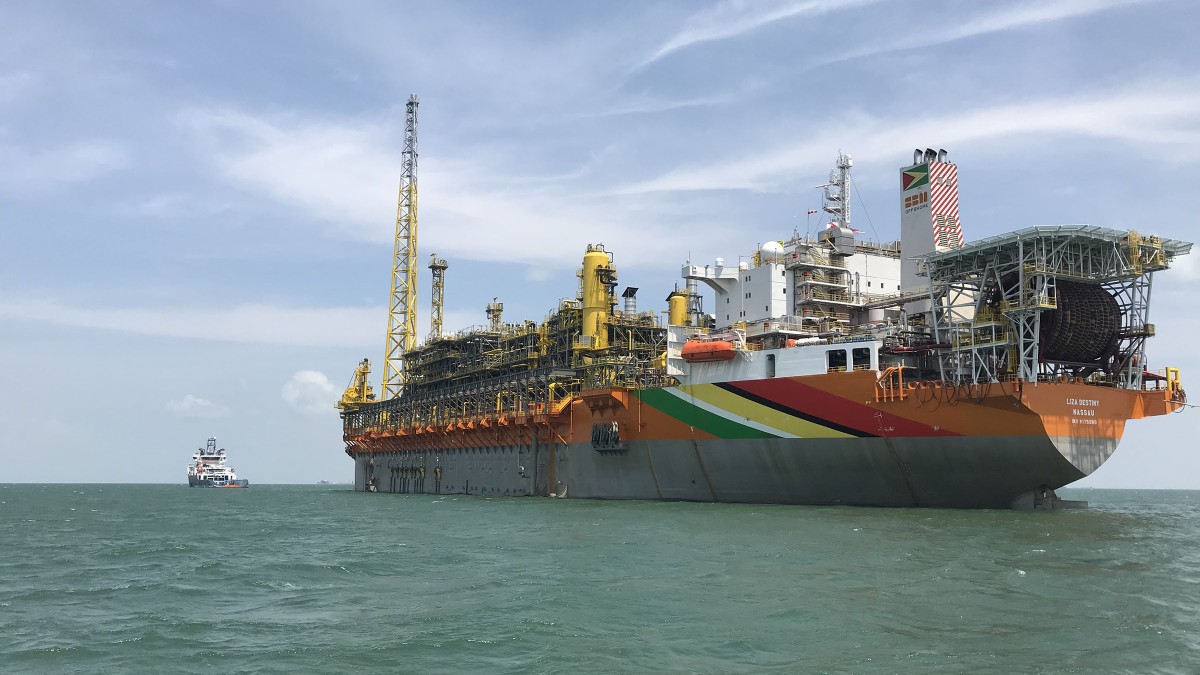
The milestone production figure, achieved after years of incremental development, signals that Guyana has transitioned from a nascent oil province to a major contributor on the world stage. Exxon’s operational success, underpinned by deep‑water platforms and advanced extraction techniques, has demonstrated the commercial viability of the region’s vast reserves, encouraging other multinational firms to seek similar opportunities in comparable offshore basins. The ripple effect is already evident as several companies have filed new exploration licenses in neighboring waters.
Governments in the Caribbean and West Africa are closely monitoring Guyana’s trajectory, hoping to replicate its regulatory framework that balances fiscal incentives with environmental safeguards. The surge also raises questions about the capacity of local infrastructure to handle increased production, including port facilities, pipelines, and workforce development. International investors are weighing the prospect of heightened returns against the geopolitical risks associated with operating in politically stable yet environmentally sensitive zones.
In the broader energy market, Guyana’s output contributes to a modest easing of supply constraints that have persisted since the pandemic era. While the additional barrels are unlikely to overturn global price trends single‑handedly, they add a layer of resilience to the supply chain, potentially tempering price volatility during periods of heightened demand. Over the next year, the region may witness a cascade of new drilling contracts, reshaping the competitive dynamics of offshore oil exploration.
Comments 0