Half of Telangana’s Young Children Found Anemic, State Ranks Fifth Nationwide
A National Institute of Nutrition survey revealed that nearly one in two children aged one to four in Telangana suffer from anemia, placing the state among the top five most affected regions. The findings highlight urgent public‑health challenges for the state government.
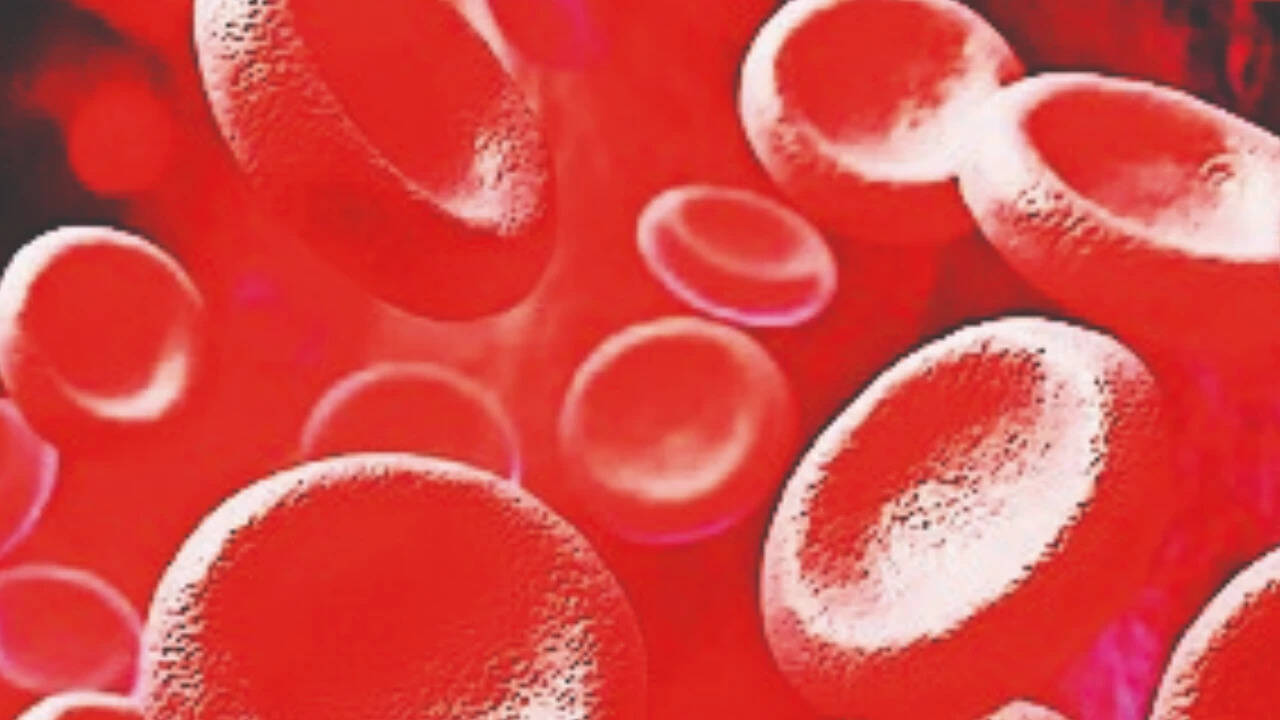
The National Institute of Nutrition’s latest household survey, conducted across multiple Indian states, identified a startling prevalence of anemia among toddlers in Telangana, with 48 percent of children in the one‑to‑four age bracket exhibiting low hemoglobin levels. Health officials attribute the condition to a combination of dietary deficiencies, limited access to fortified foods, and socioeconomic factors that impede regular medical check‑ups. The data positions Telangana behind only four other states, underscoring a systemic shortfall in child nutrition programs.
The revelation has sparked a debate between the state health department and civil‑society organisations over the adequacy of existing interventions. While the government points to recent schemes distributing iron‑folic acid supplements, critics argue that implementation gaps and lack of community awareness undermine effectiveness. Institutional friction is evident as the state’s health ministry seeks additional funding from the central government, while opposition parties demand a more transparent monitoring framework.
In response, the Telangana administration announced an accelerated rollout of school‑based nutrition initiatives, coupled with a targeted awareness campaign aimed at mothers and caregivers. If successfully executed, these measures could reduce anemia rates and improve long‑term cognitive outcomes for the affected cohort. Over the coming year, the state’s ability to curb the anemia epidemic will likely influence broader health indicators, including school attendance and productivity, thereby shaping Telangana’s developmental trajectory.
Comments 0