Sanjay Raut Condemns Sharad Pawar’s Delimitation Strategy as Power‑Sharing Bargain
A senior Maharashtra opposition leader accused Sharad Pawar’s Nationalist Congress Party of leveraging the delimitation bill to extract ministerial portfolios at the centre and state levels. The allegation exposes intra‑alliance bargaining that could reshape electoral arithmetic.
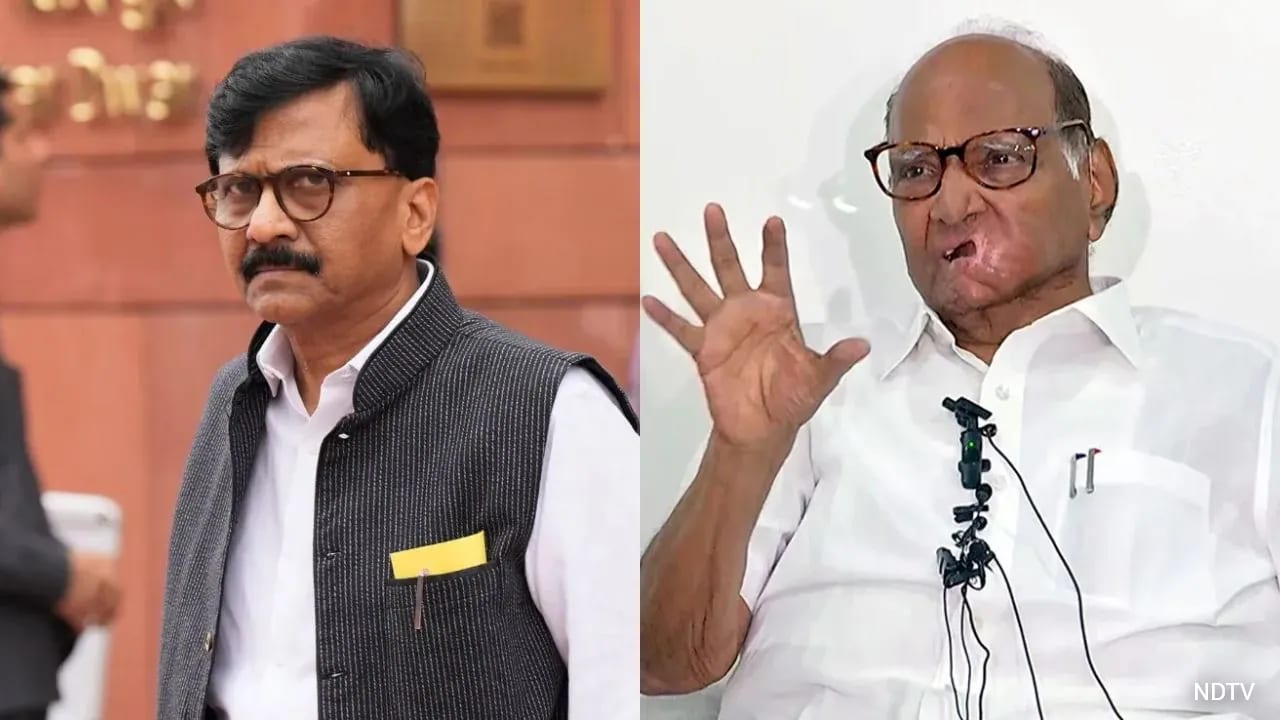
During a heated press conference, Sanjay Raut of the Shiv Sena lambasted Sharad Pawar’s approach to the pending delimitation exercise, alleging that the NCP was using the redrawing of constituency boundaries as leverage to secure key cabinet positions. Raut’s critique highlighted a perceived quid‑pro‑quo in which the NCP’s support for the delimitation bill would be exchanged for power‑sharing arrangements, both in New Delhi and in Maharashtra’s state government. This public airing of intra‑alliance negotiations underscores the fragile nature of coalition politics in the region.
The delimitation process, mandated to reflect demographic shifts, has become a flashpoint for political maneuvering, with parties vying to protect or enhance their electoral footholds. Critics argue that the NCP’s stance may tilt constituency maps in its favour, thereby altering the balance of representation for southern states. The friction between the Shiv Sena and NCP reveals a deeper institutional tension: the challenge of reconciling regional aspirations with national party strategies, especially as the central government prepares to enact the bill.
If the alleged bargaining succeeds, the immediate outcome could be a reshaped alliance architecture, granting the NCP disproportionate influence over policy decisions. Conversely, the public dispute may erode trust among coalition partners, potentially prompting a realignment of parties ahead of the next general election. Over the coming year, the delimitation debate is poised to trigger a cascade of strategic recalibrations across Indian politics, influencing candidate selection, campaign financing, and the distribution of legislative seats.
Comments 0